Choosing the right rock is one of the most important aquascaping decisions for a saltwater aquarium. The best options provide a stable structure, useful surface area for beneficial bacteria, and enough visual character to create caves, ledges, and swim-throughs.
This roundup compares 10 aquarium rocks for saltwater tanks, including porous aragonite and base rock, decorative volcanic and slate pieces, and compact kits for smaller marine aquariums. Use the guide below to match each style to your tank size, livestock, and aquascaping goals.
Best 10 Aquarium Rocks for Saltwater Tanks Picks for 2026
Best for Large Marine Aquascapes
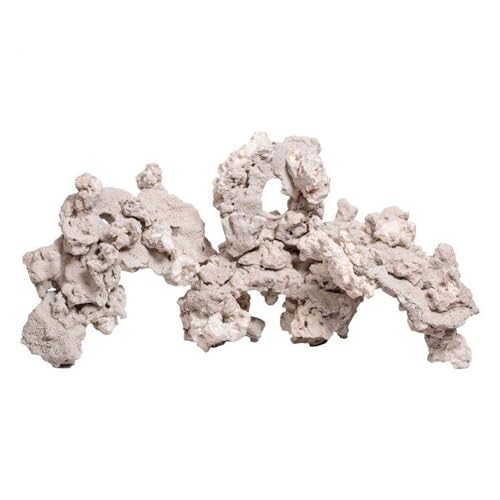
- 40-pound package for larger setups
- Natural-looking aquascaping foundation
- Surface area for beneficial organisms
Best For: Large saltwater aquariums and expansive custom layouts
Best Plant-Ready Decorative Pick

- Six volcanic stones included
- Double holes for plant placement
- Suitable for fresh and saltwater
Best For: Compact plant-focused aquarium decorations
Best for Small Tank Structures

- Sized for 5-15 gallon tanks
- Includes arches and branch cluster
- Porous, pH-stable aragonite
Best For: Ready-made structures in small marine aquariums
Best Pest-Free Foundation Option

- 7-pound mixed-shape package
- Dry rock avoids hitchhiking pests
- Super-porous biological filtration surface
Best For: Custom reef foundations with small-to-medium pieces
Best Overall
CaribSea LifeRock Dreamscapes Kit

- Natural formations for creative aquascaping
- Porous aragonite supports biological balance
- Sized for 15-25 gallon tanks
Best For: Small to medium marine aquariums
Best Natural Texture
Natural Seiryu Stones Aquarium Rocks

- Distinctive rugged gray texture
- Durable 3-7 inch stones
- Useful for stacking and plant attachment
Best For: Custom natural-looking hardscapes
Best for Large Reef Builds

- Reef-style foundation for custom layouts
- Textured surface supports coral attachment
- Large 40-pound package
Best For: Large marine and reef aquascapes
Lightweight Seiryu Style

- Non-toxic resin designed not to affect pH
- Mountain-shaped single-piece layout
- Available in three sizes
Best For: Lightweight, easy-to-place aquascaping accents
Polished Natural Slate

- Natural slate with varied textures
- Inert for freshwater and saltwater use
- Polished 3- to 5-inch pieces
Best For: Custom cliffs, caves, and stacked rock layouts
Natural Holey Limestone
White Coral-Style Aquarium Rock

- Approximately 5.5 pounds of natural stone
- Holes provide hiding spaces
- Random whole or broken-piece shipment
Best For: White, habitat-style layouts with caves and crevices
Best for Large Marine Aquascapes – South Sea Base Rock
For larger saltwater setups, CaribSea South Sea Base Rock provides a substantial foundation for building natural-looking structures. Its generous 40-pound package and ample surface area make it a practical choice when comparing aquarium rocks for saltwater tanks.
Best For: Larger saltwater aquariums that need plenty of base material for custom aquascaping.
Pros:
- 40-pound package supplies a large amount of aquascaping material.
- Designed to create a natural, realistic marine environment.
- Offers surface area for beneficial organisms to settle.
- Can help support stable aquarium water conditions.
Cons:
- The large package may be more than smaller tanks require.
- The supplied details do not specify individual rock shapes or sizes.
This is a strong foundation-focused option for hobbyists planning a sizable marine aquascape. Its quantity and organism-supporting surface area are the main reasons to consider it.
Best Plant-Ready Decorative Pick – Volcanic Aquarium Rocks
Yardwe’s six-piece volcanic rock set is geared toward decorative layouts and plant placement. Its double-hole design gives these aquarium rocks for saltwater tanks a functional role as plant fixers as well as ornaments.
Best For: Hobbyists who want compact volcanic stones for securing aquatic plants and adding visual detail.
Pros:
- Made from volcanic stone for long-term aquarium use.
- Double-hole design helps arrange and secure aquatic plants.
- Suitable for both fresh and saltwater tanks.
- Six-piece set supports creative landscape arrangements.
Cons:
- Colors are random, so the final appearance may vary.
- The set is better suited to decorative accents than large structural builds.
Choose this set when plant placement and decorative flexibility matter more than supplying a large rock foundation. Confirm that the random color assortment fits your intended aquascape.
Best for Small Tank Structures – LifeRock Dreamscapes Kit
CaribSea’s LifeRock Dreamscapes Kit is sized for 5- to 15-gallon tanks and includes arches, a branch cluster, and additional rock. For smaller marine aquariums, it offers a more structured alternative to choosing individual aquarium rocks for saltwater tanks.
Best For: Small marine aquariums where ready-made arches, caves, and tunnels simplify aquascaping.
Pros:
- Designed specifically for 5- to 15-gallon aquariums.
- Includes two arches, a branch cluster, and LifeRock pieces.
- Porous structure provides surface area for biological filtration.
- pH-stable aragonite is listed as safe for marine, reef, and freshwater tanks.
Cons:
- The compact tank-size rating limits its usefulness for larger aquariums.
- The included purple color may not suit every aquascape.
This kit is a convenient choice for creating recognizable structures without assembling a design from unrelated pieces. Its included components and small-tank focus make it especially approachable for newer aquascapers.
Best Pest-Free Foundation Option – Dry Base Rock
YZHZOM Dry Base Rock offers a 7-pound mix of white limestone pieces for building shelves, pillars, overhangs, and caves. As a dry-rock option, it is intended to avoid hitchhiking pests and does not require curing like most ocean rock, making it a notable choice among aquarium rocks for saltwater tanks.
Best For: Aquarists seeking porous, mined dry rock for a customizable reef foundation.
Pros:
- Mined from the ground rather than removed from the ocean.
- Dry format avoids hitchhiking pests and does not need curing like most ocean rock.
- Super-porous texture provides surface area for nitrifying and denitrifying bacteria.
- Mixed shapes are stackable for shelves, caves, and overhangs.
Cons:
- The 7-pound package may not cover larger aquascapes.
- Pieces are described as small to medium, approximately 2 to 6 inches long.
- As dry rock, it may need rinsing before use.
This is a practical foundation for aquarists who want to design their own layout while minimizing concerns associated with ocean-collected rock. Its porous structure and varied shapes support both biological and creative goals.
Best Overall – CaribSea LifeRock Dreamscapes Kit
For aquarists seeking aquarium rocks for saltwater tanks in the 15- to 25-gallon range, the CaribSea LifeRock Dreamscapes Kit offers a natural-looking, porous foundation for creative marine aquascaping. Its aragonite construction is pH-stable and suitable for saltwater, reef, and freshwater use.
Best For: Small to medium saltwater tanks that need ready-to-arrange rock formations, caves, arches, or tunnels.
Pros:
- Lifelike formations create a natural aquascape.
- Porous structure supports biological balance.
- Can be stacked into caves, arches, and tunnels.
- Safe for marine and reef aquariums.
Cons:
- Designed specifically for 15- to 25-gallon tanks.
- At 23.6 pounds, it may be heavier than smaller setups require.
This kit is a practical choice when appearance, structure, and versatility matter. Its included formations simplify the planning process while leaving room for custom layouts.
Best Natural Texture – Natural Seiryu Stones Aquarium Rocks
These 10-pound Seiryu stones are a flexible option for aquarium rocks for saltwater tanks, especially when you want rugged texture and a more natural, individually arranged hardscape. The 3- to 7-inch stones can be stacked into caves, cliffs, and mountain-like layouts.
Best For: Aquarists who want distinctive gray stones for custom layouts and strong plant or moss attachment.
Pros:
- Rugged surfaces and natural patterns add visual texture.
- Durable structure is designed to retain its shape and color.
- Uneven surfaces provide attachment points for moss and aquatic plants.
- Suitable for aquariums and terrariums.
Cons:
- Individual stone shapes vary, so the final layout is less predictable.
- The 10-pound package may offer less material than larger aquascapes need.
Choose these stones if you prefer building an aquascape piece by piece rather than using a predesigned kit. Their texture and 3- to 7-inch size offer useful flexibility for natural-looking arrangements.
Best for Large Reef Builds – CaribSea LifeRock Base Rock
For larger marine layouts, CaribSea LifeRock Base Rock provides a reef-style foundation for aquarium rocks for saltwater tanks. Its porous, textured surface supports coral-frag attachment, while the aragonite-based material is designed to be pH-stable for marine environments.
Best For: Reef aquarists creating custom caves, ledges, and larger coral-supporting structures.
Pros:
- Natural-looking design resembles real reef rock.
- Porous surface provides coral-frag attachment points.
- Supports custom caves, ledges, and reef structures.
- Designed for assembly without glue or adhesives.
Cons:
- The 40-pound size may be excessive for smaller tanks.
- Its supplied details list a material discrepancy, describing both aragonite-based construction and closed-cell foam.
This base rock is most compelling for aquarists planning a substantial reefscape with dedicated coral attachment areas. Confirm the package specifications before purchase, particularly if the listed material information is important to your setup.
Lightweight Seiryu Style – Micro Resin Aquarium Rock
If you want aquarium rocks for saltwater tanks without adding much weight or changing water chemistry, this resin Seiryu-style rock is a practical option. Its mountain-like shape and textured gray finish create visual height, while the color becomes more vivid underwater. The single-piece design also simplifies aquascaping.
Best For: Aquarists who want lightweight, low-effort rock décor with a natural Seiryu-inspired appearance.
Pros:
- Eco-friendly resin is described as non-toxic and neutral to water quality and pH.
- Mountain-shaped design adds depth without arranging multiple stones.
- Available in three sizes and works with gravel, sand, moss, and other décor.
Cons:
- This package includes one resin rock rather than a multi-rock set.
- The appearance is simulated resin, not natural stone.
- The listed piece is relatively compact at about 5.11 inches long.
This is a convenient choice when easy placement and predictable water behavior matter more than using natural rock. Its compact size may make it better as a focal accent or part of a larger layout.
Polished Natural Slate – 5-Pound Aquarium Rock Set
For aquarium rocks for saltwater tanks, this 5-pound slate assortment offers a natural material with a more rugged, varied appearance than molded décor. The 3- to 5-inch pieces are polished along the edges, making them easier to handle while still supporting layouts such as cliffs, caves, and stacked terrain.
Best For: Aquarists who want natural slate pieces in a manageable size for custom rockwork.
Pros:
- Natural slate pieces have unique textures and colors.
- Described as inert and safe for freshwater and saltwater tanks.
- Rounded, polished edges help reduce sharp contact points.
- Pieces can be stacked, broken, or secured with aquarium-safe glue.
Cons:
- Individual shapes and colors will vary because the rocks are natural stone.
- The set is limited to the listed 3- to 5-inch size range.
- Cleaning is still needed before placing the rocks in an aquarium.
This set is a flexible middle ground for building a customized layout: it provides enough material for experimentation while keeping the pieces relatively easy to arrange. Its polished edges are useful when creating structures around fish or other aquatic life.
Natural Holey Limestone – White Coral-Style Aquarium Rock
This natural white holey rock is a strong option for aquarium rocks for saltwater tanks when you want a porous, formation-like centerpiece. The approximately 5.5-pound package may arrive as one large rock or several broken pieces, and the holes can help create hiding places for shrimp and small fish while anchoring plants or moss.
Best For: Aquascapes that need white natural stone, built-in openings, and a habitat-like appearance.
Pros:
- Natural holes create hiding spaces for shrimp and small fish.
- White limestone-style stone adds a distinctive coral or sea-base look.
- Described as pH neutral and resistant to fading.
- Can be used alone or combined to form caves, cliffs, and mountain ranges.
Cons:
- Size, shape, quantity, and whether it arrives whole or in pieces are random.
- The mixed pieces range from about 4.72 to 7.48 inches, limiting precision in small layouts.
- The product is natural stone, so each package will have different patterns and forms.
This rock suits buyers who value natural variation and habitat-style structure over a uniform set. The random shipment format is worth considering if you need tightly matched pieces or a predictable centerpiece.
How We Picked the Best Aquarium Rocks for Saltwater Tanks
We focused on material, intended aquarium use, size range, shape variety, and suitability for marine aquascaping. Porous aragonite and reef-oriented base rocks received particular attention because they can provide valuable surface area for beneficial bacteria and integrate naturally with saltwater layouts. We also included decorative stones and smaller kits for buyers who want a specific visual style or are working with limited space.
Before adding any rock, confirm that it is aquarium-safe, free from coatings or contaminants, and appropriate for your livestock. Natural stone can affect water chemistry, so testing and gradual introduction are sensible precautions.
Quick Comparison
| Best For | Recommended Style | What to Look For |
|---|---|---|
| Large reef tanks | 40-pound base rock | High coverage, stackable shapes, and a stable foundation |
| Small aquariums | Compact aquascaping kit | Preselected pieces sized for the tank footprint |
| Natural reef appearance | Aragonite or coral-style rock | Porous texture and irregular contours |
| Modern layouts | Seiryu or slate-style stone | Angular lines, contrasting color, and manageable pieces |
| Decorative accents | Volcanic or resin rock | Consistent appearance and easy placement |
Key Buying Factors for Aquarium Rocks for Saltwater Tanks
Material and Water Chemistry
Dry aragonite and limestone-based rock are common choices for marine systems and generally complement reef-style aquascaping. Harder decorative stones may also work, but verify their composition and rinse them thoroughly. Avoid painted, treated, or unknown materials unless the manufacturer clearly identifies them as aquarium-safe.
Porosity and Biological Filtration
Porous rock offers more internal and external surface area for beneficial bacteria. It can be especially useful when starting a new aquarium or reducing reliance on heavy live-rock purchases. Porosity varies widely, so compare weight, texture, and structure rather than assuming every natural-looking rock performs the same way.
Shape, Stability, and Coverage
Choose a mix of broad foundation pieces, smaller supports, and accent stones. Build directly on the aquarium bottom or a suitable protective layer, then test every overhang for stability. Leave open swimming space and avoid creating rock piles that could topple when fish or invertebrates burrow.
Tank Size and Quantity
Large 40-pound boxes suit bigger systems or substantial structures, while 5- to 10-pound packs and compact kits are easier to control in nano and desktop aquariums. Check the actual dimensions and piece count because weight alone does not indicate how much usable coverage you will get.
Who Should Buy Which Aquarium Rocks for Saltwater Tanks?
Choose a large CaribSea base-rock option if you need a flexible foundation for a medium or large marine aquascape. A smaller LifeRock Dreamscapes kit is a practical choice for nano tanks and buyers who want coordinated pieces without selecting every stone individually. Coral-style and holey rock are well suited to open, porous reef layouts with caves and attachment points.
Seiryu-style, slate, and volcanic rocks are better for buyers prioritizing angular shapes, contrast, or decorative accents, provided the material is confirmed safe for saltwater use. When in doubt, favor clearly labeled aquarium products, rinse every piece, and arrange the rock before filling the tank so you can adjust the design safely.