Choosing aquarium rocks for large tanks is about more than filling open space. The right stone creates structure, anchors plants, defines territories, and complements your fish without creating unsafe edges or unstable piles.
This roundup compares 10 natural-rock and pebble options in different sizes, weights, textures, and styles so you can match your aquascape to your tank’s inhabitants, layout, and maintenance routine.
Best 10 Aquarium Rocks for Large Tanks Picks for 2026
Best Overall

- 11-pound set with 3–8-inch stones
- Layered gray-and-white natural patterns
- Works for peaks, caves, and slopes
Best For: Large freshwater aquascapes and planted hardscapes
Best for Turtle Habitats
Exo Terra Large Turtle Pebbles

- 10-pound pack of smooth round pebbles
- Creates a natural riverbed appearance
- Designed for turtles and terrariums
Best For: Turtle habitats with smooth substrate needs
Best for Stacking
Polished Slate Aquascaping Rocks

- 10-pound set of 5–7-inch slate pieces
- Rounded polished edges for smoother handling
- Suitable for freshwater and saltwater tanks
Best For: Structured cliffs, caves, and stackable hardscapes
Best Natural Pebbles

- Natural 2–3-inch gray river rocks
- Undyed and reusable stone construction
- Works indoors, outdoors, and in aquariums
Best For: River-rock accents and versatile decorative layouts
Best for Structured Aquascapes
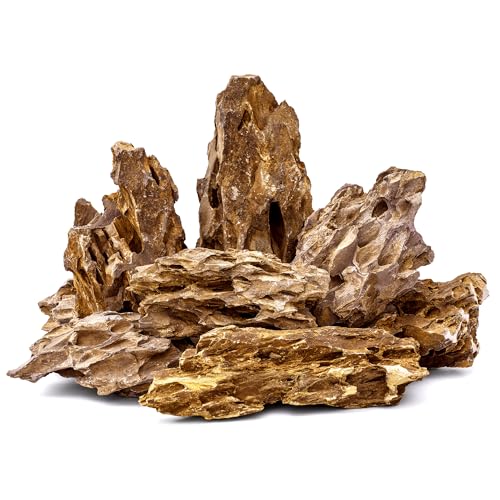
- Six textured stones for ridges and slopes
- Inert for stable planted-tank conditions
- Large 6.1- to 8.1-inch pieces
Best For: Cohesive planted-tank hardscapes
Best for Custom Rock Formations

- 3- to 5-inch natural slate pieces
- pH-neutral material for tank decoration
- Can form caves and cliffs with aquarium-safe glue
Best For: DIY caves, cliffs, and mountain layouts
Best for Smooth Natural Ground Cover
Mixed River Rocks for Aquariums
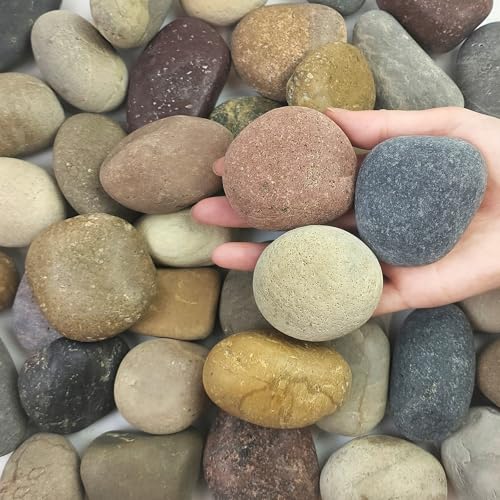
- Five pounds of 2- to 3-inch stones
- Smooth, natural mixed-color surfaces
- Non-toxic and free of added dyes
Best For: Smooth habitat accents and plant surroundings
Textured Aquascape Pick

- Porous, naturally textured pieces
- 2–5-inch stones for formations
- Lightweight and customizable
Best For: Planted aquascapes and natural cave or cliff designs
Stable Structure Choice

- Five-pound slate assortment
- Rounded, polished edges
- Inert for freshwater or saltwater
Best For: Large tank hardscapes needing caves, cliffs, or stable terrain
Beginner-Friendly Natural Pick

- Textured 2–4-inch pieces
- Clean before aquarium use
- Suitable for aquariums and DIY decor
Best For: Beginners building varied caves, gardens, or miniature landscapes
Best Overall – Seiryu Aquascaping Rock
For aquarium rocks for large tanks, this 11-pound Seiryu stone set offers substantial pieces measuring about 3–8 inches. Its layered textures, irregular edges, and gray-and-white patterns can form a prominent mountain, canyon, or river-inspired hardscape.
Best For: Large freshwater aquascapes, planted layouts, and natural-looking hardscapes.
Pros:
- Includes varied natural stones with rugged textures and contrasting patterns.
- Mixed shapes can be stacked into peaks, slopes, caves, and layered formations.
- Suitable for aquariums, shrimp tanks, terrariums, and other landscape projects.
Cons:
- Natural pieces vary in shape, color, texture, and exact size.
- Requires a rinse before use to remove light shipping dust.
This is a strong all-purpose choice when you want a sizable quantity of dramatic, naturally varied rock for a large tank. The included stones can support several layout styles, though arranging them will require working with their individual shapes.
Best for Turtle Habitats – Exo Terra Large Turtle Pebbles
These large Exo Terra pebbles provide a 10-pound option for creating a smooth, riverbed-style base. Their rounded form is designed to help prevent injury to bottom-dwelling or foraging turtles, making them more specialized than typical aquarium rocks for large tanks.
Best For: Turtle habitats and terrariums needing a rounded, natural-looking substrate.
Pros:
- Smooth, round pebbles are intended to reduce injury risk for foraging turtles.
- Color and pattern variations create a natural riverbed appearance.
- Large 10-pound pack is suited to substantial habitat coverage.
Cons:
- The pebbles are approximately 0.3–0.4 inch, so they are not large decorative boulders.
- Product information specifically targets turtle and terrarium use rather than general aquascaping.
Choose these when habitat safety and a smooth substrate matter more than building tall rock formations. They are a practical fit for turtles with shells 4 inches or larger, but less suitable if your goal is a dramatic planted-tank hardscape.
Best for Stacking – Polished Slate Aquascaping Rocks
For aquarium rocks for large tanks, this 10-pound slate set supplies larger 5–7-inch pieces with polished, rounded edges. The flat, textured stones are well suited to building cliffs, caves, mountains, and other structured layouts in freshwater or saltwater environments.
Best For: Aquascapers who want stackable slate structures with smoother edges.
Pros:
- Large 5–7-inch pieces can create prominent cliffs, caves, and terrains.
- Polished, rounded edges are designed to be gentler on fish.
- Inert slate is described as safe for freshwater and saltwater tanks without altering water chemistry.
- Rocks can be arranged, broken, or secured with aquarium-safe glue.
Cons:
- Each piece has unique texture and color, so the set will not be completely uniform.
- Cleaning is still required before placing the rocks in a tank.
This is a useful choice when you want larger, more deliberately structured hardscape elements than small gravel provides. Its polished edges and customizable arrangement add flexibility, while the 10-pound quantity gives you material for a substantial layout.
Best Natural Pebbles – Mexican Beach River Rocks
This 5-pound set of 2–3-inch Mexican beach pebbles offers a smaller, smooth-looking alternative for aquarium rocks for large tanks. The raw, undyed natural stones can add a simple river-rock accent to aquariums, fountains, ponds, gardens, or larger plant displays.
Best For: Natural river-rock accents and mixed indoor or outdoor decorative projects.
Pros:
- Natural, non-toxic, undyed stones with reusable construction.
- Wet and dry surfaces show different colors for visual variation.
- 2–3-inch size works for accents, borders, and simple riverbed-style layouts.
Cons:
- The 5-pound quantity is smaller than the other large-tank rock sets here.
- Surfaces can attract dust and require washing two or three times before use.
- Raw stones are less suited to polished, uniform designs.
These pebbles make sense if you want versatile natural stones that can move between aquarium, pond, garden, and décor projects. For covering a very large tank, plan on checking the quantity carefully or combining them with other hardscape materials.
Best for Structured Aquascapes – Large Dragon Stone Set
For aquarium rocks for large tanks, this six-piece dragon stone set offers substantial 6.1- to 8.1-inch pieces with layered textures and defined edges. The coordinated stones are useful for building ridges, slopes, and other multi-piece hardscapes.
Best For: Aquascapers creating cohesive planted-tank layouts with larger, textured focal stones.
Pros:
- Six large stones support balanced, multi-piece designs.
- Inert material will not alter pH or water hardness.
- Natural texture provides plant anchor points and visual depth.
- Only a rinse is needed for preparation, according to the product notes.
Cons:
- Natural variation means shapes and textures will differ between pieces.
- The larger size may be less suitable for compact aquariums.
This is a strong choice when you want aquarium rocks for large tanks that can form a unified hardscape rather than a scattered pebble bed. Its six-piece format gives you more flexibility, while the natural variation makes each arrangement distinctive.
Best for Custom Rock Formations – Natural Slate Aquarium Rocks
These 3- to 5-inch natural slate rocks are a versatile option for aquarium rocks for large tanks, especially when you want to build caves, cliffs, or mountain-like formations. The 3.5-pound assortment includes naturally varied shapes and thicknesses.
Best For: DIY aquascapes and amphibian enclosures that need slate pieces for glued or stacked formations.
Pros:
- Natural slate offers an authentic, rugged appearance.
- Hand-picked, inspected, and washed before use.
- Can be joined with aquarium-safe glue to create custom structures.
- Listed as pH neutral for aquarium applications.
Cons:
- Natural shapes vary, so pieces may not fit together uniformly.
- The 3.5-pound quantity may provide less coverage than heavier rock sets.
- Some pieces are thick or thin, which can affect placement.
Choose this slate set when customization matters more than uniform sizing. Its variable shapes are helpful for creative structures, though planning and aquarium-safe adhesive may be needed for a stable finished design.
Best for Smooth Natural Ground Cover – Mixed River Rocks for Aquariums
For aquarium rocks for large tanks, these 2- to 3-inch mixed-color river rocks provide a smoother, more understated option. The five-pound set includes natural round and oval stones with varied colors, shades, and shapes.
Best For: Fish or reptile habitats needing smooth decorative stones, plant surroundings, or natural-looking accents.
Pros:
- Smooth, flat surfaces create a comfortable habitat surface.
- Natural, non-toxic stones contain no added fillers or dyes.
- Mixed colors become more distinctive when wet.
- Reusable and suitable for aquariums, terrariums, ponds, and landscaping.
Cons:
- Five pounds may cover less area than expected because stone is heavy.
- At 2 to 3 inches, these are better for coverage and accents than tall centerpiece structures.
- Natural color and shape variation means the assortment will not be uniform.
This set fits buyers who prefer smooth river-rock styling over sharp, dramatic formations. The 2- to 3-inch size is substantial for aquarium decoration, while the mixed colors add variety without dyes or polishing.
Textured Aquascape Pick – Natural Dragon Stone
For aquarium rocks for large tanks, this 3-pound Dragon Stone offers textured, porous pieces in a 2- to 5-inch range. Its layered shape is useful for building natural-looking formations while keeping the layout flexible.
Best For: Aquascapers who want porous, stackable stone for mountains, cliffs, caves, or planted layouts.
Pros:
- Natural textures and colors create a distinctive aquascape.
- Porous surfaces can support plant root growth.
- Lightweight pieces are easy to carry, stack, and arrange.
- Can be shaped, cut, or drilled for custom projects.
Cons:
- The natural pieces vary in shape, size, and appearance.
- The 3-pound quantity may be limited for especially large layouts.
- Cleaning is recommended before aquarium use.
This is a versatile choice when texture and custom shaping matter more than uniformity. For a large tank, plan the design around the included amount or combine it with additional compatible stone.
Stable Structure Choice – Polished Slate Aquarium Rock
When choosing aquarium rocks for large tanks, this 5-pound polished slate set provides larger 3- to 5-inch pieces for building defined terrain. The rounded edges and inert material make it a practical option for freshwater or saltwater layouts.
Best For: Fishkeepers creating stable mountains, caves, cliffs, or basking areas with smooth-edged slate.
Pros:
- Inert slate is designed not to alter water chemistry.
- Polished, rounded edges are gentler for aquatic life.
- Five pounds provides useful material for larger arrangements.
- Pieces can be stacked, broken, or secured with aquarium-safe glue.
Cons:
- Slate has a flatter, more structured look than porous dragon stone.
- Natural pieces may differ in texture and color.
- Cleaning is still needed before placing the rocks in a tank.
The heavier quantity and versatile 3- to 5-inch size make this slate a strong candidate for larger displays. Its polished edges are especially useful where fish safety and stable hardscape construction are priorities.
Beginner-Friendly Natural Pick – VOKOY Dragon Stones
For aquarium rocks for large tanks, VOKOY’s 2.5-pound Dragon Stone set supplies distinctive 2- to 4-inch pieces with honeycomb-like holes and rich textures. The varied shapes can be combined into underwater gardens, caves, or mountain-style layouts.
Best For: Beginners and hobbyists who want easy-to-clean, naturally varied stone for aquarium or terrarium projects.
Pros:
- Honeycomb-like holes add visual depth and texture.
- Natural rocks are intended not to affect aquarium water.
- Simple preparation requires cleaning before use.
- Usable for aquariums, miniature landscapes, gardens, and DIY projects.
Cons:
- Individual stones vary, so the exact count and shapes are unpredictable.
- The 2.5-pound amount may require supplementation in a large tank.
- The 2- to 4-inch range may be smaller than some large-scale layouts require.
This set is a flexible starting point for a natural-looking hardscape, particularly if you value irregular texture over consistent sizing. Larger tanks may need multiple packs to achieve substantial coverage or height.
How We Picked These Aquarium Rocks for Large Tanks
We focused on rock sets that offer useful coverage for larger aquariums, with attention to listed weight, piece size, natural texture, shape, and intended use. The selection includes Seiryu, slate, dragon stone, river pebbles, and turtle-oriented stones to cover different aquascaping styles and livestock needs.
Because natural stone can vary from piece to piece, product descriptions should be treated as general guidance rather than an exact layout plan. Always inspect each rock before adding it to the aquarium.
Quick Comparison
| Rock type | Best suited for | Typical advantage |
|---|---|---|
| Seiryu | High-contrast aquascapes | Rugged ridges and dramatic gray tones |
| Slate | Terraces and layered layouts | Flat surfaces and structured formations |
| Dragon stone | Naturalistic hardscapes | Textured surfaces and visual depth |
| River pebbles | Gentle, rounded layouts | Smooth profiles and easy styling |
| Turtle pebbles | Turtle or reptile habitats | Large, rounded decorative pieces |
Key Buying Factors for Aquarium Rocks for Large Tanks
Size, Weight, and Coverage
Large tanks usually need more than a small accent stone. Check both the total weight and individual dimensions. Several medium pieces are often easier to arrange than one oversized rock, while larger formations can provide a stronger focal point.
Shape and Stability
Look for broad bases, interlocking profiles, or flat faces that rest securely on the substrate. Avoid unstable stacks, sharp points near active fish, and rocks that could press against the glass. Place heavy stones directly on the tank bottom or on a stable protective layer when appropriate, rather than relying on loose sand alone.
Water Compatibility
Some stones may influence hardness or pH, while others are marketed as neutral. If your fish require specific water chemistry, test a sample or verify the stone’s properties before committing to a full layout. Rinse rocks thoroughly and never use soaps or household cleaners.
Texture and Maintenance
Porous dragon stone can collect debris but offers excellent visual texture. Smooth pebbles are easier to vacuum, while slate can create shelves and caves. Choose a surface that suits your cleaning routine and the needs of bottom-dwelling livestock.
Who Should Buy Which Aquarium Rocks for Large Tanks?
Choose Seiryu for a bold, mountainous aquascape; slate for layered terraces, ledges, or minimalist formations; and dragon stone for detailed planted layouts with plenty of texture. Rounded river pebbles are a practical choice for softer-looking designs, community tanks, and areas where smooth surfaces are preferable. Turtle keepers and amphibian owners should prioritize appropriately sized, rounded pieces that cannot be swallowed or easily displaced.
For any large aquarium, buy with the finished layout in mind. Measure open space, account for swimming room, and plan how each rock will be supported before adding water or livestock. A smaller number of well-positioned, stable stones generally looks better and is safer than an overcrowded pile.