The right substrate and hardscape can transform a freshwater aquarium while giving fish, plants, and beneficial bacteria a more functional environment. These 10 picks cover natural stones, slate, dragon rock, polished pebbles, and decorative gravel in several sizes and styles.
Use the guide below to compare appearance, aquarium compatibility, maintenance, and value before choosing rocks that suit your tank layout and livestock.
Best 10 Aquarium Rocks for Freshwater Tanks Picks for 2026
Natural Texture Pick

- Unique natural patterns and textures
- 5-pound set with 2- to 6-inch pieces
- Suitable for aquariums, plants, and other displays
Best For: Natural-looking hardscape layouts
Fluorescent Contrast Pick

- Dark base makes bright décor stand out
- Usable as substrate or an accent
- 5-pound bag for GloFish-themed setups
Best For: High-contrast fluorescent aquarium displays
Lightweight Layout Pick

- Lightweight alternative to natural stone
- Darkens and becomes more vivid underwater
- Mountain shape supports quick aquascape design
Best For: Simple focal-point and Iwagumi-style layouts
Pearlescent Accent Pick
GloFish Pearlescent Aquarium Gravel

- White-and-pearl base brightens tank décor
- Fluorescent accents show under blue LED lights
- 5-pound bag works as substrate or accent
Best For: Colorful, glow-focused GloFish aquariums
Best for Dramatic Hardscapes

- 11-pound assortment of 3- to 8-inch stones
- Rugged gray-and-white textures for aquascaping
- Easy to arrange into peaks, slopes, and caves
Best For: Large freshwater aquascapes and statement hardscapes
Best for Natural Substrate Coverage

- 5-pound bag of 1/4-inch natural river rocks
- Round, polished stones in mixed natural colors
- No added fillers, dyes, or oils
Best For: Rounded gravel coverage in freshwater tanks
Best for Decorative Accents
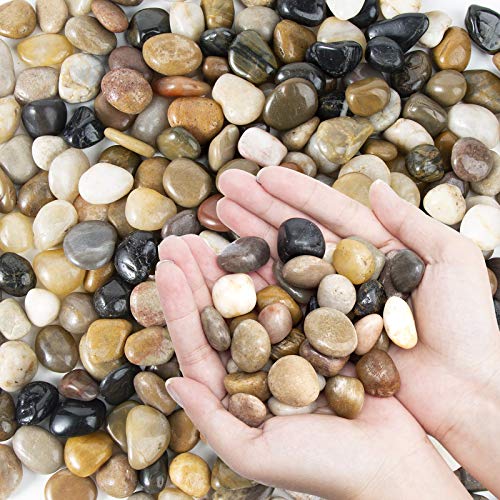
- 2 pounds of 0.5- to 1.2-inch river stones
- Natural brown, white, and black color variation
- Lightly polished with rounded, varied shapes
Best For: Small aquarium accents and mixed-color layouts
Textured Aquascape Pick

- Porous, honeycomb-like texture
- 2.5-pound set of varied 2-4 inch stones
- Suitable for aquariums and terrariums
Best For: Compact, natural-looking aquascapes
Large Layout Builder

- 10-pound supply of 5-7 inch rocks
- Inert slate is described as water-chemistry neutral
- Rounded, polished edges for aquarium use
Best For: Large cliffs, caves, and stacked hardscapes
Flexible Natural Hardscape

- 3-pound set with 2-5 inch pieces
- Porous surface can support plant roots
- Lightweight and workable for custom designs
Best For: Planted tanks and adaptable aquascapes
Natural Texture Pick – Seiryu Stone Aquarium Rocks
For aquarists seeking aquarium rocks for freshwater tanks with an organic, one-of-a-kind appearance, this 5-pound Seiryu stone set offers naturally varied textures and black coloring. The 2- to 6-inch pieces can add structure and visual depth to an aquascape.
Best For: Natural-looking aquascapes, long-term hardscape layouts, and aquarium or terrarium displays.
Pros:
- Each stone has a unique natural pattern and texture.
- Designed for use around fish and aquatic plants without altering water quality, according to the supplied details.
- Durable stone is intended for long-term use and is simple to clean.
- 5-pound package includes varied 2- to 6-inch pieces.
Cons:
- Natural stones vary in shape and appearance, so the pieces may not match a uniform layout.
- The larger 2- to 6-inch size range may require a suitably sized aquarium.
This is a strong choice when natural variation matters more than perfectly standardized shapes. Its mixed sizing gives you flexibility, though planning around each stone’s individual form will be part of the setup process.
Fluorescent Contrast Pick – Solid Black Aquarium Gravel
This solid black GloFish gravel is a practical option for aquarium rocks for freshwater tanks when you want a dark base that helps fluorescent fish, plants, and ornaments stand out. The 5-pound bag can be used as substrate or as an accent.
Best For: GloFish-themed aquariums and displays that benefit from strong contrast beneath bright décor.
Pros:
- Solid black color creates a contrasting base for fluorescent fish and decorations.
- Can function as substrate or an accent.
- Works with GloFish plants and ornaments sold separately.
- Supplied in a convenient 5-pound bag.
Cons:
- The solid black finish is less colorful than the other GloFish gravel options listed by the brand.
- This is gravel rather than larger individual hardscape stones.
Choose this bag if your main goal is a clean, dark foundation that keeps bright tank elements visually prominent. It is especially suited to coordinated GloFish setups rather than natural rock formations.
Lightweight Layout Pick – Resin Seiryu Aquascaping Rock
For aquarium rocks for freshwater tanks that offer a consistent look without the weight of natural stone, this gray resin Seiryu-style rock provides a mountain-shaped centerpiece. Its realistic texture becomes more vivid and darker when submerged.
Best For: Beginners and experienced aquascapers creating Iwagumi, mountain, canyon, stream, or moss-based layouts.
Pros:
- Lightweight resin construction weighs about 0.28 kg.
- Designed to be non-toxic and not affect water quality or pH, according to the supplied details.
- Realistic Seiryu-style texture darkens when submerged.
- Mountain shape simplifies creating a focal point without arranging many stones.
Cons:
- This listing includes one resin rock rather than a multi-piece natural stone set.
- The modern gray resin appearance may not suit aquascapers seeking completely natural material.
- Its fixed mountain shape offers less variation than individually selected stones.
This rock is a convenient way to establish height and visual direction quickly. Pair it with gravel, white sand, or moss to build a more complete layout, or combine it with the available sizes for added depth.
Pearlescent Accent Pick – GloFish Pearlescent Aquarium Gravel
This pearlescent GloFish gravel is a colorful alternative for aquarium rocks for freshwater tanks, adding a white-and-pearl foundation beneath décor. Its fluorescent accents are designed to stand out under GloFish blue LED lights.
Best For: Colorful GloFish aquariums where the substrate should complement ornaments and glow-focused lighting.
Pros:
- Pearlescent white color creates a bright, decorative base.
- Fluorescent accents stand out under GloFish blue LED lights.
- Can be used as substrate or an accent with GloFish plants and ornaments.
- Includes 5 pounds of gravel.
Cons:
- Its bright pearlescent look is less suited to subdued, naturalistic aquascapes.
- The gravel should be thoroughly rinsed before use, and soap or detergents should not be used.
Pick this gravel when lighting and color coordination are central to your aquarium design. The rinse instructions add a small setup step, but the pearlescent finish can provide a noticeably brighter foundation for a GloFish display.
Best for Dramatic Hardscapes – Natural Seiryu Rock
For aquarium rocks for freshwater tanks, this 11-pound assortment of natural Seiryu stone is a strong choice when you want a bold, mountain- or canyon-inspired aquascape. The irregular gray-and-white rocks range from 3 to 8 inches, giving you substantial pieces for building slopes, peaks, caves, and layered layouts.
Best For: Freshwater aquascaping projects that need large, textured hardscape stones.
Pros:
- Rugged textures, layered details, and contrasting gray-and-white patterns create visual depth.
- Mixed shapes can be stacked, angled, or combined with aquarium wood and aquatic plants.
- Pre-washed and easy to prepare with a simple rinse before use.
- Useful for freshwater aquariums, shrimp tanks, terrariums, and other landscape projects.
Cons:
- Natural variation means the exact size, shape, texture, and pattern will differ between pieces.
- The 3- to 8-inch size range may be too large for small tanks or fine-detail layouts.
This is the most suitable option of the three for a statement aquascape. Its 11-pound quantity and larger, irregular pieces offer more structural flexibility than small decorative gravel, though you should plan your layout around the stones you receive.
Best for Natural Substrate Coverage – River Rock Aquarium Gravel
If you want aquarium rocks for freshwater tanks that provide an even, pebble-style base, this 5-pound bag of 1/4-inch natural river rocks is a practical option. The round, multicolor stones are selected and polished, with no added fillers, dyes, or oils according to the supplied product information.
Best For: Freshwater tanks needing small, rounded gravel for natural-looking coverage and decoration.
Pros:
- Small 1/4-inch round stones create a more uniform gravel-like appearance.
- Natural, non-toxic material contains no additional fillers, dyes, or oils.
- Polished surfaces are intended to provide a comfortable environment for aquatic pets.
- The 5-pound quantity also works for turtle tanks, gardens, planters, and other projects.
Cons:
- Small gravel is better for substrate coverage than for building caves or elevated hardscape.
- Multicolor stones may not suit aquascapes designed around a single-color palette.
Choose this gravel when you want a straightforward, rounded substrate rather than large feature rocks. Its compact size and natural color mix make it versatile, while the 5-pound bag is suited to smaller coverage needs or partial tank layouts.
Best for Decorative Accents – Polished Mixed-Color Pebbles
These 2 pounds of lightly polished river stones are a flexible pick for aquarium rocks for freshwater tanks when you need a small amount for accents or finishing details. The 0.5- to 1.2-inch pebbles come in natural shades such as brown, white, and black, with varied oval and round shapes.
Best For: Small aquarium accents, water-feature details, and mixed-color decorative layouts.
Pros:
- Natural mixed colors add contrast without relying on artificial color claims.
- Lightly polished, rounded surfaces are described as having no sharp edges.
- Resists fading and can be used indoors or outdoors for multiple decorative projects.
- The smaller 2-pound package is convenient for accents, partial layouts, or small tanks.
Cons:
- Natural stones may arrive broken, irregular, oval, round, thick, or thin.
- The product is coated in paraffin wax to enhance color and shine, so preparation before aquarium use deserves attention.
- At 2 pounds, it provides less material than the larger stone and gravel options.
This set is best viewed as a decorative accent rather than a complete tank substrate. Its varied colors and rounded shapes can complement an existing aquascape, but the smaller quantity and natural size variation make it less suitable for large-scale coverage.
Textured Aquascape Pick – Natural Dragon Stone
For aquariums rocks for freshwater tanks, VOKOY Natural Dragon Stones offer a textured, earthy look with naturally formed holes. The 2.5-pound package includes approximately two to four stones in varied 2- to 4-inch sizes, so each set will have a different arrangement potential. Clean the stones before placing them in your tank.
Best For: Beginners and hobbyists who want porous, cave-like rocks for compact aquascapes.
Pros:
- Honeycomb-like holes and rich textures create visual interest.
- Natural stones are described as not affecting aquarium water.
- Varied shapes can be arranged into mountains, caves, or underwater gardens.
- Usable in aquariums, terrariums, paludariums, and other decorative projects.
Cons:
- Natural variation means the exact number, shape, size, and weight of stones will differ.
- The 2.5-pound quantity may be limited for larger tanks or expansive layouts.
- Cleaning is required before use.
Choose this set when distinctive texture and flexible small-scale layouts matter more than uniform pieces. Its unpredictable natural sizing is part of the appeal, but it also makes planning an exact arrangement difficult.
Large Layout Builder – Polished Slate Rock
For aquarium rocks for freshwater tanks, YISZM Slate Rock provides a 10-pound supply of larger, polished pieces. The 5- to 7-inch slate rocks have varied textures and colors, while rounded, smooth edges are designed to be gentler around aquatic life. Clean the stones before adding them.
Best For: Larger aquariums and aquascapers building cliffs, caves, mountains, or stacked terrain.
Pros:
- Inert slate is described as safe for freshwater and saltwater tanks without altering water chemistry.
- Polished, rounded edges help reduce sharp contact points.
- Ten pounds of 5- to 7-inch rocks supports substantial layouts.
- Pieces can be arranged, broken, or secured with aquarium-safe glue.
Cons:
- The larger pieces may be too substantial for nano tanks or minimalist layouts.
- Natural texture and color vary from piece to piece.
- Cleaning is needed before direct aquarium use.
This is a practical option when you need weight and scale for a dramatic hardscape. Its large format and 10-pound quantity are better suited to spacious tanks than small desktop aquariums.
Flexible Natural Hardscape – Dragon Stone Rocks
For aquarium rocks for freshwater tanks, these 3-pound Dragon Stones combine irregular textures, porous surfaces, and flexible sizing. The approximately 2- to 5-inch pieces can be stacked or arranged into cliffs, caves, and natural-looking terrain. Clean and position them according to your aquascape design.
Best For: Aquascapers who want lightweight, workable stones for planted tanks and custom layouts.
Pros:
- Unique textures and colors add a natural, personalized appearance.
- Porous surfaces can support plant root growth.
- Lightweight pieces are easy to carry, stack, and rearrange.
- Moderate hardness allows shaping, cutting, and drilling for custom projects.
Cons:
- Natural pieces vary in shape, texture, and color.
- The 3-pound quantity may not cover a large aquarium.
- Porous surfaces may require careful cleaning before use.
This set suits creative layouts where workability and natural texture are priorities. Its 2- to 5-inch range offers more flexibility than a uniform rock set, though larger tanks may require multiple packages.
How We Picked the Best Aquarium Rocks for Freshwater Tanks
We focused on products suited to freshwater aquascaping, fish-tank decoration, and substrate use. The selection includes natural stones for structured layouts, smaller gravel for covering the tank floor, and resin or colored options for shoppers who want a consistent appearance. We also considered stated piece size, package weight, versatility, and how easily each material can be incorporated into planted or community tanks.
Before adding any rock, rinse it thoroughly and inspect it for sharp edges, loose fragments, dust, or coatings. Natural stone can affect water chemistry, so test a sample if your fish require stable or soft water.
Quick Comparison
| Rock type | Best for | Main advantage |
|---|---|---|
| Seiryu stone | Ridges, cliffs, and dramatic layouts | Distinctive texture and gray coloration |
| Dragon stone | Natural planted aquascapes | Highly textured, earthy appearance |
| Slate | Layered structures and ledges | Flat shapes stack easily |
| River rocks and polished pebbles | Natural, rounded layouts | Smoother profiles and softer visual contrast |
| Colored or resin gravel | Decorative community tanks | Consistent color and simple coverage |
Key Buying Factors for Aquarium Rocks for Freshwater Tanks
Material and Water Chemistry
Choose inert materials when you need predictable water parameters. Carbonate-rich stones may raise pH or hardness, which can be useful for some livestock but unsuitable for soft-water species. When product information is limited, soak the material separately and monitor pH and hardness before using a large quantity.
Size, Shape, and Stability
Large stones create focal points and hiding areas, while gravel and small pebbles provide coverage around plants and decorations. Select rounded pieces for tanks with bottom-dwelling fish, and avoid unstable stacks that could collapse. Large rocks should rest securely on the tank base or on a protective layer rather than directly against the glass when possible.
Surface Texture and Cleaning
Rough stone offers visual depth and attachment points for moss, but sharp edges can injure fish or damage fins. Fine gravel is attractive yet may trap waste if packed too deeply. Rinse every product until the water runs mostly clear, and vacuum loose debris during routine maintenance.
Quantity and Layout
Package weight does not translate directly into coverage because rock density and piece size vary. Sketch the layout first, then buy enough material to create a stable focal arrangement without overcrowding swimming space. Leave room for plant growth, filtration flow, and cleaning tools.
Who Should Buy Which Aquarium Rocks for Freshwater Tanks?
- For a dramatic aquascape: Choose Seiryu-style stones for angular lines, contrast, and strong focal points.
- For planted tanks: Dragon stone or textured natural rock works well when you want an earthy layout with visual depth.
- For ledges and layered hardscape: Slate is a practical choice because its flatter pieces are easier to arrange.
- For gentle, rounded decoration: River rocks and polished pebbles suit natural community-tank themes.
- For bold color or simple substrate coverage: Decorative black or pearlescent gravel provides a uniform finish with less layout planning.
- For smaller tanks or precise details: Micro resin rock can add the look of stone without requiring heavy pieces.
Whichever option you choose, prioritize aquarium-safe materials, secure placement, and compatibility with your fish and water parameters over appearance alone.