The right aquarium rocks can turn a basic fish tank into a convincing underwater landscape while providing structure for plants, caves, and visual contrast. This roundup covers natural river stones, Seiryu-style rock, slate, polished pebbles, gravel, and resin alternatives.
Use the buying guide below to compare size, texture, quantity, and compatibility before choosing hardscape materials for your aquarium or terrarium.
Best 10 Aquarium Rocks Picks for 2026
Natural Habitat Pick
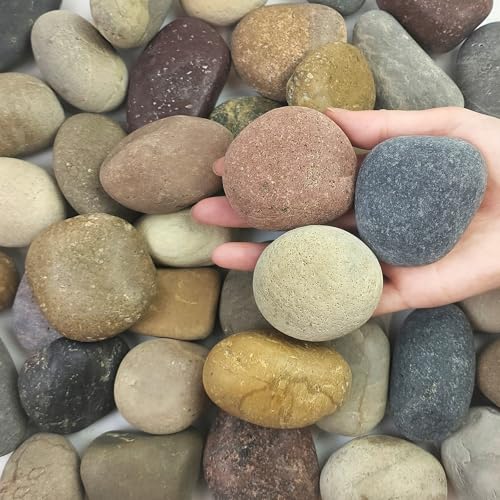
- Natural mixed-color river stones
- Smooth 2-3-inch pieces
- Reusable indoors or outdoors
Best For: Larger aquariums, ponds, and reptile habitats
Glow-Focused Pick
GloFish Black Fluorescent Gravel

- Black gravel with fluorescent accents
- Designed for blue LED lighting
- 5-pound aquarium substrate bag
Best For: GloFish tanks and colorful themed displays
Easy Aquascaping Pick

- Lightweight Seiryu-style resin rock
- Ready-made mountain shape
- Available in three sizes
Best For: Structured aquascapes and beginner-friendly layouts
Fine Accent Pick
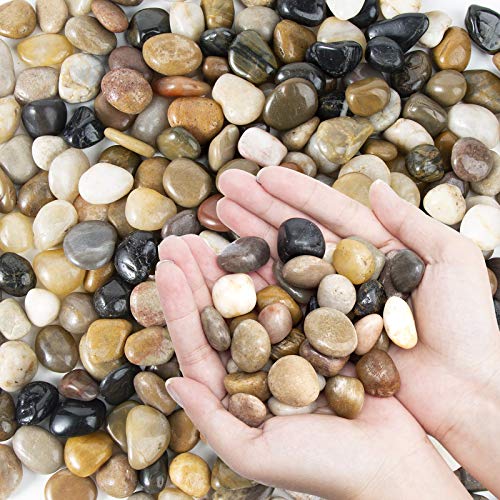
- Small 0.5-1.2-inch pebbles
- Mixed natural colors and shapes
- 2-pound decorative package
Best For: Small aquarium accents, terrariums, and water features
Natural Hardscape Pick

- 12-pound mix of approximately 2- to 8-inch stones
- Natural gray, white, and black textures
- Best suited to hard-water aquarium setups
Best For: Varied aquascapes and hard-water fish tanks
Water-Neutral Choice

- 10 pounds of 5- to 7-inch natural slate
- Inert material designed not to alter water chemistry
- Polished, rounded edges for easier aquarium use
Best For: Freshwater or saltwater tanks with sensitive inhabitants
Compact Texture Pick

- 5-pound set of approximately 2- to 6-inch stones
- Distinct natural patterns in a compact assortment
- Durable and easy to clean for varied displays
Best For: Smaller aquascapes and multi-use hardscape projects
Best Natural Gravel

- Rounded 1/4-inch natural stones
- Non-toxic, with no added dyes or oils
- Works for tanks, planters, and decor
Best For: Fine gravel coverage and multipurpose use
Best Large Aquascaping Rocks

- 11-pound set of 3-to-8-inch stones
- Rugged gray-and-white layered patterns
- Suitable for peaks, caves, and slopes
Best For: Large freshwater hardscape designs
Best Lightweight Texture

- Porous, hole-filled natural surface
- Lightweight 3-pound set is easy to arrange
- Works in aquariums and terrariums
Best For: Compact textured aquascapes and habitats
Natural Habitat Pick – FANTIAN 2-3-Inch River Rocks
For larger aquariums, these natural aquarium rocks provide a substantial river-stone look with mixed colors, smooth surfaces, and rounded or oval shapes. The 5-pound bag is also versatile enough for ponds, terrariums, gardens, and other decorative projects.
Best For: Larger fish tanks, reptile habitats, and natural-looking landscaping where bigger stones are appropriate.
Pros:
- Natural, non-toxic, unpolished stones with no added dyes or fillers
- Smooth, flat surfaces create a comfortable habitat base
- 2-3-inch size is less likely to be swallowed by larger fish or reptiles
- Reusable for aquariums, ponds, gardens, and terrariums
Cons:
- Five pounds may cover less area than expected because the stones are large and heavy
- Not suited to very small tanks or layouts requiring fine substrate
This is a practical choice when you want authentic, low-maintenance aquarium rocks with enough size to make a visible impact. Rinse them before use and plan your layout around their substantial weight.
Glow-Focused Pick – GloFish Black Fluorescent Gravel
These aquarium rocks are better suited to colorful, light-reactive displays than naturalistic aquascapes. The black gravel includes fluorescent accents designed to stand out under GloFish blue LED lighting and coordinate with GloFish ornaments and plants.
Best For: GloFish tanks and owners who want a bright, coordinated fluorescent-style substrate.
Pros:
- Fluorescent accents are designed to pop under GloFish blue LED lights
- Black base creates contrast for colorful fish and decorations
- Can be used as a tank substrate or decorative accent
- Available as a 5-pound bag
Cons:
- Its fluorescent styling may not suit a natural riverbed or planted aquascape
- The strongest visual effect depends on compatible blue LED lighting
Choose this gravel when the tank’s visual theme matters more than a natural-stone appearance. It is especially fitting for a complete GloFish setup with matching lighting, plants, and ornaments.
Easy Aquascaping Pick – FZONE Resin Seiryu Rock
For aquarium rocks that simplify hardscape planning, this FZONE resin Seiryu piece offers a mountain-shaped form and realistic stone texture without the weight of natural rock. Its gray color darkens when submerged, helping create a more dimensional aquascape.
Best For: Beginners and experienced aquascapers building Iwagumi, mountain, canyon, stream, or other structured layouts.
Pros:
- Realistic Seiryu-inspired texture and color made from lightweight resin
- Designed as a ready-to-place mountain-shaped centerpiece
- Available in three sizes for flexible combinations and layouts
- Notes state it is non-toxic and does not affect water quality or pH
Cons:
- This listing includes one resin rock rather than a full rock set
- Resin may be less authentic than natural stone for purist aquascapes
This is a convenient hardscape option when you want predictable shape, lighter handling, and a coordinated stone appearance. Pair it with gravel, white sand, moss, or driftwood-inspired elements to add contrast and depth.
Fine Accent Pick – Polished Mixed-Color Pebbles
These small aquarium rocks offer a softer, decorative accent for tanks, water gardens, ponds, and terrariums. The 0.5-1.2-inch natural stones are lightly polished, mixed in color, and supplied in a 2-pound package.
Best For: Small decorative aquarium accents, terrariums, water features, and projects that need finer pebbles.
Pros:
- Small 0.5-1.2-inch size works for detailed decorative layouts
- Mixed natural shades include browns, whites, and blacks
- Gently tumbled surfaces are smooth with no sharp edges noted
- Resists fading and can be used indoors or outdoors
Cons:
- At 2 pounds, the package may be limited for larger aquarium floors
- Natural stones can vary in shape, thickness, and condition, and some may arrive broken
- Paraffin wax coating is intended to enhance color and shine
These pebbles make sense when you need a fine, colorful finishing layer rather than large centerpiece rocks. Because they are coated, confirm they are appropriate for your intended aquarium use and clean them according to your setup’s requirements.
Natural Hardscape Pick – Eorbow Seiryu Stone
If you want aquarium rocks with varied shapes and a natural gray, white, and black appearance, the Eorbow 12lb Seiryu Stone set offers a substantial mix for aquascaping. The pieces range from approximately 2 to 8 inches and are pre-cleaned for easier preparation.
Best For: Aquascapers creating varied layouts, especially tanks with fish suited to harder, more alkaline water.
Pros:
- 12-pound assortment with mixed stone sizes and distinctive natural patterns.
- Pre-cleaned and surface-treated to help reduce mineral dissolution.
- Useful for aquariums, terrariums, paludariums, bonsai displays, and micro-landscaping.
- Can be rinsed and brushed before use, with optional two-day soaking.
Cons:
- Seiryu stone remains alkaline, so it may not suit every aquarium setup.
- Natural pieces are irregular, making exact sizing and placement less predictable.
This is a flexible aquarium rocks option when you value authentic textures and a generous quantity. Check your livestock’s water requirements before adding these alkaline stones.
Water-Neutral Choice – YISZM Polished Slate Rock
For aquarium rocks that prioritize smooth handling and stable water chemistry, YISZM’s polished slate provides 10 pounds of natural stone in the 5- to 7-inch size range. Its rounded edges and layered texture work well for creating cliffs, caves, and other structured layouts.
Best For: Freshwater or saltwater aquariums with fish, shrimp, plants, or other inhabitants that benefit from inert decor.
Pros:
- Inert slate is designed not to alter water chemistry.
- Polished, rounded edges are gentler for aquatic life than sharp untreated edges.
- Large pieces can be stacked, broken, or secured with aquarium-safe glue.
- Suitable for aquariums, terrariums, reptile habitats, bonsai displays, and gardens.
Cons:
- The 5- to 7-inch pieces may be too large for small tanks or fine-detail layouts.
- Stacked structures may require aquarium-safe glue for additional stability.
YISZM is a practical pick when you want larger, polished aquarium rocks without intentionally changing water parameters. Its broad, slate-like pieces are especially useful for building strong visual tiers and hiding areas.
Compact Texture Pick – QStone Seiryu Aquarium Rocks
QStone’s 5-pound Seiryu set is a compact option for adding textured aquarium rocks to smaller hardscape projects. The approximately 2- to 6-inch black stones have individual natural patterns and are also suited to terrariums, bonsai, gardens, and display models.
Best For: Smaller aquascapes and hobbyists who want durable, low-maintenance natural stone for multiple display environments.
Pros:
- Compact 5-pound quantity for modest aquarium layouts and projects.
- Unique natural textures add visual depth to aquascapes.
- Weather-resistant, durable stone is intended for long-term use.
- Simple to clean and suitable for aquariums, terrariums, gardens, and dioramas.
Cons:
- Only one 5-pound assortment is included.
- Individual natural stones may vary in shape and appearance.
- The supplied notes describe Seiryu stone as safe but do not provide specific water-chemistry guidance.
This set makes sense if you need a smaller amount of aquarium rocks with pronounced natural character. Its size range gives you layout flexibility without committing to a larger 10- or 12-pound package.
Best Natural Gravel – Multicolor River Rocks
YISZM 5lbs Aquarium Gravel is a practical option if you want fine aquarium rocks with a rounded, polished appearance. These 1/4-inch natural stones are listed as non-toxic and free of added fillers, dyes, and oils, making them suitable for fish tanks and turtle tanks as well as decorative projects.
Best For: Fish tanks, turtle tanks, planted setups, and buyers who also want versatile gravel for planters, vases, or garden projects.
Pros:
- Natural, round 1/4-inch gravel with multicolor river-rock styling.
- Polished stones are selected for a safe, comfortable aquatic environment.
- Useful beyond aquariums for drainage, crafts, vases, and landscaping.
Cons:
- The small 1/4-inch size may not suit layouts requiring large focal rocks.
- A 5-pound pack offers less material than the larger hardscape options in this roundup.
Choose this aquarium rocks option when you prefer a tidy gravel substrate and broad reuse potential. Its small, rounded pieces are better for coverage and finishing detail than for building caves or dramatic formations.
Best Large Aquascaping Rocks – Seiryu Stone
This 11-pound Seiryu stone set is designed for aquascapers who want substantial aquarium rocks for mountain, canyon, river, or layered layouts. The natural gray-and-white stones range from 3 to 8 inches, with irregular edges and rugged textures that create a prominent hardscape.
Best For: Freshwater aquariums, shrimp tanks, terrariums, and large-scale aquascaping layouts built around stacked or angled stone formations.
Pros:
- Large 3-to-8-inch pieces support peaks, slopes, caves, and layered formations.
- Natural gray-and-white patterns add strong visual contrast.
- Approximately 11 pounds provides material for a substantial hardscape.
- Pre-washed and easy to prepare with a simple rinse before use.
Cons:
- Natural variation means individual pieces will differ in size, shape, and pattern.
- Larger stones may be excessive for compact aquariums or small decorative setups.
For a bold aquascape centerpiece, this Seiryu stone offers more structure than fine gravel. Plan the arrangement around the stones’ natural variation, since the final selection and appearance will not be uniform.
Best Lightweight Texture – Dragon Stone
This 3-pound Dragon Stone set offers textured aquarium rocks for smaller aquascaping projects and natural habitats. Its porous, hole-filled surface and layered structure create visual interest while making the pieces relatively easy to carry, stack, and arrange.
Best For: Compact aquariums, stream tanks, terrariums, reptile enclosures, paludariums, and layouts that benefit from porous stone texture.
Pros:
- Unique textures, colors, holes, and layered surfaces create a natural appearance.
- Lightweight pieces are easy to carry, stack, and arrange.
- Porous surfaces can support plant root growth in aquascapes.
- Moderate hardness allows shaping, cutting, and drilling for creative layouts.
Cons:
- The 3-pound quantity is better suited to smaller projects than expansive aquariums.
- Natural pieces vary in texture and color, so the set may not look uniform.
- Its yellow color may not match every aquascaping palette.
Dragon Stone is a flexible pick when texture and easy handling matter more than uniform, polished surfaces. Its porous, layered character works especially well for detailed caves, cliffs, and planted natural scenes.
How We Picked the Best Aquarium Rocks
We selected these Aquarium Rocks by comparing material type, stone size, package weight, stated use cases, and suitability for common aquascaping projects. The list includes options for planted tanks, natural riverbed layouts, colorful community aquariums, terrariums, paludariums, and decorative enclosures.
Because rock chemistry and dimensions can vary between pieces, treat listed measurements as a guide rather than an exact layout. Always rinse stones thoroughly and test uncertain materials before adding them to a stocked aquarium.
Quick Comparison
- Best for natural riverbed looks: Rounded river rocks and mixed polished pebbles.
- Best for dramatic aquascapes: Seiryu-style stones with angular texture and visible strata.
- Best for large tanks: Five- to 12-pound packages with larger individual stones.
- Best for colorful displays: Black gravel with fluorescent accents, especially in GloFish-themed setups.
- Best for smaller layouts: Fine gravel, micro resin rock, and smaller decorative pebbles.
Key Buying Factors for Aquarium Rocks
Material and Water Chemistry
Natural carbonate-rich stones can raise pH or hardness, while inert materials are less likely to change water parameters. If you keep sensitive fish, shrimp, or a carefully controlled planted tank, research the stone type and test it before use. Avoid rocks with sharp edges, coatings that may peel, or unknown residues.
Size, Shape, and Stability
Large stones create focal points and caves, but they require a stable base and enough tank space. Smaller gravel and pebbles are easier to spread around plants and driftwood. Choose rounded edges for tanks with bottom-dwelling fish, and use angular rocks carefully so they cannot trap or injure livestock.
Quantity and Layout
Package weight matters more than the number of pieces. A 10- or 12-pound bag may suit a large hardscape, while a smaller package can be enough for a nano tank or accent area. Before buying, sketch the layout and account for substrate depth, swimming space, and the footprint of your aquarium.
Preparation and Maintenance
Rinse rocks with clean water and inspect every piece before installation. Do not use soap or household cleaners. Arrange heavy stones directly on the tank bottom or on a protective base before adding substrate, and leave enough open space for cleaning and water flow.
Who Should Buy Which Aquarium Rocks?
Choose river rocks or polished pebbles if you want a soft, natural streambed appearance with easy-to-arrange shapes. Choose Seiryu-style stone for a more structured, mountainous aquascape with strong lines and contrast. Choose slate when you need broad, flat pieces for ledges, caves, or layered hardscape.
Choose aquarium gravel for broad substrate coverage and straightforward planting, while resin rock can be useful when you want a lightweight decorative accent or more predictable styling. For themed or fluorescent displays, black gravel with bright accents provides strong contrast. Whichever option you select, prioritize safe material, stable placement, and enough open room for your fish.