Stable water chemistry is essential for thriving planted aquariums. The right test kit can help you catch ammonia, nutrient, hardness, pH, and CO2 issues before they affect fish or plant growth.
We selected 10 options ranging from detailed liquid-reagent systems to fast test strips and dedicated planted-tank tools, so you can match testing accuracy and convenience to your aquarium routine.
Best 10 Aquarium Test Kits for Planted Tanks Picks for 2026
Best All-Around Liquid Kit
API Freshwater Master Test Kit

- Tests pH, high-range pH, ammonia, nitrite, and nitrate
- Includes solutions, tubes, and color card
- Made for freshwater weekly monitoring
Best For: Routine freshwater water-quality testing
Best Multi-Parameter Strips
EASYTEST 8-Way Aquarium Test Strips

- Checks eight core water metrics
- Includes 50 strips for frequent testing
- Works in planted, freshwater, shrimp, pond, and marine setups
Best For: Fast, broad at-home water checks
Best for Phosphate Tracking
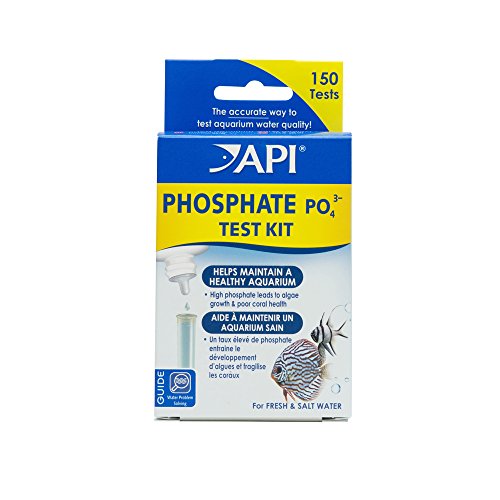
- Reads phosphate from 0 to 10 ppm
- Includes solutions, color cards, and test tube
- Suitable for freshwater and saltwater aquariums
Best For: Targeted phosphate and algae monitoring
Best Compact Ammonia Strips
AAwipes 8-in-1 Aquarium Test Strips

- Tests eight parameters, including ammonia nitrogen
- Comes with 25 moisture-protected strips
- Works for aquariums, ponds, and shrimp tanks
Best For: Convenient multi-parameter home testing
CO2 Monitoring Pick
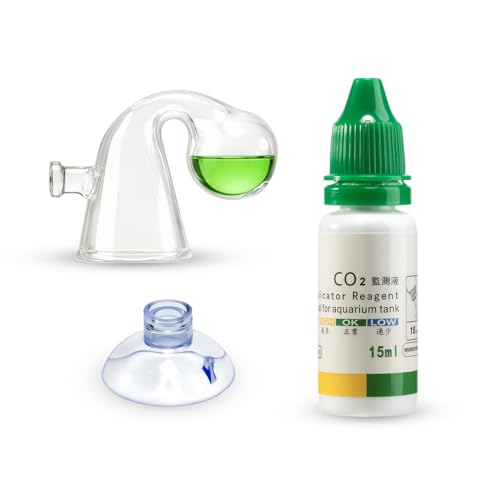
- Visual color-based CO2 monitoring
- Includes solution and suction cup
- Glass design isolates indicator from water
Best For: Planted tanks using supplemental CO2
Hardness Testing Pick

- Tests freshwater GH and KH
- Includes two solutions and test tubes
- Designed for weekly monitoring
Best For: Freshwater tanks needing dedicated hardness checks
All-in-One Coverage Pick

- Tests 11 common aquarium parameters
- Includes 150 strips and color chart
- Quick dip-and-compare testing
Best For: Broad routine screening across aquarium setups
Comprehensive Liquid Testing
Pawfly 5-in-1 Aquarium Test Kit

- Tests pH, nitrite, nitrate, ammonia, and phosphate
- Provides 265 total measurements
- Works in freshwater and marine aquariums
Best For: Planted-tank keepers prioritizing liquid-reagent testing
Fast Strip Checks
AAwipes 8-in-1 Aquarium Test Kit

- Tests eight key water indicators
- Includes 50 quick-use strips
- Sealed bottle helps protect strips from moisture
Best For: Frequent, convenient checks across aquariums and shrimp tanks
App-Guided Monitoring
Digital 10-in-1 Aquarium Test Kit

- Scans strips with the DROPLYTIX app
- Covers ammonia, pH, nitrate, nitrite, GH, KH, and more
- Designed for planted, freshwater, saltwater, and reef tanks
Best For: Aquarists wanting broad, app-assisted water monitoring
Best All-Around Liquid Kit – API Freshwater Master Test Kit
API Freshwater Master Test Kit 800-Test Freshwater Aquarium Water Kit, White, Single, Multi-Colored
Check Price On AmazonFor aquarists comparing aquarium test kits for planted tanks, the API Freshwater Master Test Kit is a comprehensive liquid-testing option for routine freshwater monitoring. It checks pH, high-range pH, ammonia, nitrite, and nitrate, helping you track several core water-quality indicators.
Best For: Freshwater aquarium keepers who want a multi-parameter liquid kit for weekly testing.
Pros:
- Tests five key freshwater parameters.
- Includes seven testing-solution bottles, four capped tubes, and a color card.
- Designed for weekly monitoring and troubleshooting water or fish problems.
Cons:
- Designed for freshwater aquariums only.
- Liquid testing requires following the individual test instructions.
This is a practical choice when you want broader routine coverage than a single-parameter test. Its included tubes and color card make it a ready-to-use option for established freshwater tanks and ongoing water checks.
Best Multi-Parameter Strips – EASYTEST 8-Way Aquarium Test Strips
The EASYTEST 8-Way kit is a convenient strip-based option among aquarium test kits for planted tanks. Each strip checks eight metrics, including ammonia, pH, hardness, alkalinity, chlorine, nitrate, nitrite, and carbonate, with results designed to be read from a graded color chart.
Best For: Aquarists who prefer quick, no-extra-equipment testing across planted, freshwater, shrimp, pond, or marine environments.
Pros:
- Tests eight water metrics with one strip.
- Includes 50 strips for frequent monitoring.
- Uses a three-step process with most readings at 15 seconds and nitrate/nitrite at 60 seconds.
- Suitable for freshwater, saltwater, shrimp tanks, planted tanks, and ponds.
Cons:
- The ammonia pad must be cut off for accurate ammonia testing.
- Different parameters require different reading times.
Its broad coverage and large strip count suit aquarists who want an easy way to check several conditions regularly. Follow the timing instructions carefully, especially for ammonia and the nitrate/nitrite readings.
Best for Phosphate Tracking – API Phosphate Test Kit
For planted-tank keepers focused on algae management, the API Phosphate Test Kit adds targeted phosphate testing to a water-testing routine. It reads phosphate levels from 0 to 10 ppm and is intended for freshwater and saltwater aquariums.
Best For: Aquarists who need a dedicated phosphate test to monitor excess nutrients and algae-related concerns.
Pros:
- Measures phosphate from 0 to 10 ppm.
- Includes two testing-solution bottles, two color cards, and a capped test tube.
- Can be used for freshwater and saltwater aquariums.
- Designed for weekly monitoring and when water problems appear.
Cons:
- Focuses on phosphate rather than providing a complete set of water tests.
- Requires liquid testing and comparison with a color card.
This kit works best as a specialized supplement rather than a standalone water-testing system. It is particularly useful when phosphate is a priority in your aquarium maintenance plan or when you are investigating unsightly algae.
Best Compact Ammonia Strips – AAwipes 8-in-1 Aquarium Test Strips
The AAwipes 8-in-1 kit offers a compact strip format for aquarists seeking aquarium test kits for planted tanks and other freshwater setups. It tests pH, ammonia nitrogen, alkalinity, hardness, chlorine, nitrite, nitrate, and sodium chloride, with separate timing instructions for the ammonia pad.
Best For: Home testers who want a small supply of multi-parameter strips for freshwater, shrimp, pond, or other aquatic environments.
Pros:
- Tests eight listed water-quality measures.
- Includes 25 strips in a sealed bottle for moisture protection.
- Uses a three-step testing process without lab equipment.
- Suitable for aquariums, ponds, and shrimp tanks.
Cons:
- Ammonia nitrogen requires a separate five-second dip and up to 180 seconds of development.
- The 25-strip count is smaller than some larger strip packs.
This kit is a useful grab-and-test option when convenience matters and you want several readings from one strip. Pay close attention to the different timing requirements, particularly for ammonia nitrogen, when comparing colors with the chart.
CO2 Monitoring Pick – Novique Glass Drop Checker
For planted-tank keepers who specifically need CO2 feedback, this visual monitor is a focused addition to aquarium test kits for planted tanks. Its color-changing solution helps you check whether carbon dioxide appears insufficient, balanced, or excessive.
Best For: Planted aquariums using CO2 who want an at-a-glance monitoring tool.
Pros:
- Color indicators make CO2 status easy to interpret.
- Includes glass tubing, suction cup, dropper, and 15 mL of indicator solution.
- High-borosilicate glass keeps the indicator isolated from aquarium water.
Cons:
- Monitors CO2 only rather than a broad range of water parameters.
- Requires about two hours of standing time before reading.
This is best viewed as a specialized CO2 companion rather than a complete water test kit. It can simplify routine CO2 checks, but you will still need separate tests for parameters such as hardness, pH, ammonia, and nitrate.
Hardness Testing Pick – API GH & KH Test Kit
When choosing aquarium test kits for planted tanks, GH and KH are useful measurements for matching water conditions to the needs of fish and plants. This API kit focuses on freshwater hardness and includes liquid testing supplies for repeat checks.
Best For: Freshwater aquarists who need dedicated GH and KH monitoring.
Pros:
- Measures both general hardness and carbonate hardness.
- Includes two testing solutions and two capped test tubes.
- Suitable for weekly monitoring and troubleshooting water or fish problems.
Cons:
- Tests only GH and KH, so it does not replace a comprehensive kit.
- Requires liquid-solution testing rather than a quick dip-strip format.
This is a sensible targeted choice if hardness is your main concern or if you are adding a dedicated GH/KH test to an existing setup. Plan on pairing it with tests for other important aquarium parameters.
All-in-One Coverage Pick – 11-in-1 Aquarium Test Strips
For broad routine screening, this 11-in-1 option is among the more versatile aquarium test kits for planted tanks. The strips cover ammonia, pH, iron, chlorine, GH, KH, nitrate, nitrite, alkalinity, copper, and temperature, giving you a quick overview before making maintenance decisions.
Best For: Aquarists who want fast, wide-coverage checks for freshwater or saltwater setups.
Pros:
- Checks 11 water-quality parameters in one kit.
- Includes 150 strips, a color chart, testing tubes, and an eBook.
- Dip-and-compare format is convenient for frequent home testing.
Cons:
- Color-chart readings may be less precise than dedicated liquid tests.
- Strips are recommended for use within three months after opening for maximum accuracy.
This kit is a convenient first-pass tool for tracking many variables at once, especially during regular maintenance. If a reading looks concerning, a dedicated liquid test may be a useful follow-up.
Comprehensive Liquid Testing – Pawfly 5-in-1 Aquarium Test Kit
For aquarists looking for aquarium test kits for planted tanks, the Pawfly 5-in-1 kit offers liquid-reagent testing for pH, nitrite, nitrate, ammonia, and phosphate. Its color charts and broad supply of 265 measurements make it practical for routine monitoring in freshwater or saltwater aquariums.
Best For: Planted-tank keepers who want liquid testing for ammonia, phosphate, and other core water parameters.
Pros:
- Tests pH, nitrite, nitrate, ammonia, and phosphate.
- Uses liquid reagents rather than traditional test strips.
- Includes up to 265 measurements across the five parameters.
- Suitable for freshwater and marine aquariums.
Cons:
- Results require comparing colors with printed charts.
- Liquid testing involves more steps than dip strips.
- The listed directions are intended for adults 18 and older.
This is a strong choice when phosphate and ammonia readings matter to your planted-tank routine. The larger measurement count also supports consistent testing over several months.
Fast Strip Checks – AAwipes 8-in-1 Aquarium Test Kit
Among aquarium test kits for planted tanks, the AAwipes 8-in-1 kit is designed for quick at-home screening. The 50 strips measure eight water indicators, including pH, ammonia nitrogen, nitrate, nitrite, hardness, alkalinity, chlorine, and sodium chloride, with a sealed bottle for storage.
Best For: Aquarists who prefer convenient strips for frequent freshwater, saltwater, pond, or shrimp-tank checks.
Pros:
- Measures eight water parameters in one strip kit.
- Offers a simple dip-and-compare testing process.
- Includes 50 strips in a moisture-protective sealed bottle.
- Suitable for aquariums, ponds, pools, and shrimp tanks.
Cons:
- Ammonia nitrogen requires a separate five-second dip and a longer reading time.
- Results depend on comparing strip colors with the chart.
- Does not provide the liquid-reagent format of a traditional master kit.
The AAwipes kit favors speed and convenience over a large measurement count. Its broad parameter coverage makes it useful for routine checks, especially when you want a quick snapshot before maintenance.
App-Guided Monitoring – Digital 10-in-1 Aquarium Test Kit
For planted-tank owners who want digital assistance, this app-enabled kit scans aquarium test strips with the DROPLYTIX app instead of relying only on printed color charts. It is designed to monitor parameters such as ammonia, nitrate, nitrite, pH, GH, KH, and chlorine in freshwater, saltwater, reef, shrimp, and planted aquariums.
Best For: Beginners and experienced aquarists who want app-based readings across a wide range of aquarium water parameters.
Pros:
- Uses an app to scan strips and provide digital results.
- Monitors 10 parameters, including GH and KH.
- Supports planted, freshwater, saltwater, reef, and shrimp aquariums.
- Useful for cycling, water changes, and routine maintenance.
Cons:
- Requires the DROPLYTIX mobile app for its digital workflow.
- Relies on test strips rather than liquid reagents.
- The supplied notes do not specify the number of replacement strips included.
This kit stands out when recording and interpreting multiple readings digitally is more appealing than manual chart comparison. Its GH and KH coverage is also useful for planted and shrimp-focused setups where hardness monitoring matters.
How We Picked the Best Aquarium Test Kits for Planted Tanks
We evaluated these kits by looking at the water parameters they measure, testing format, approximate test capacity, ease of reading results, and usefulness in planted freshwater aquariums. Comprehensive liquid kits generally offer more controlled testing for ammonia, phosphate, GH, KH, and pH, while strips are faster for routine checks. We also included dedicated tools, such as a CO2 drop checker, because carbon dioxide stability can directly affect planted-tank performance.
Product specifications and included tests can vary by package, so confirm the current label before buying—especially if you need a particular range, reagent size, or saltwater compatibility.
Quick Comparison
- Best all-around coverage: Choose a comprehensive freshwater liquid kit that measures core cycling and hardness parameters.
- Best for quick checks: Multi-parameter strips provide fast readings with minimal setup.
- Best for planted-tank nutrients: Add a phosphate test when algae control and fertilization decisions matter.
- Best for CO2 users: A glass drop checker offers continuous visual monitoring between water tests.
- Best for large or frequent testing: Look for high test counts or bulk strip packs.
Key Buying Factors for Aquarium Test Kits for Planted Tanks
Parameters Included
At minimum, monitor ammonia and nitrite during cycling or after major changes. For established planted tanks, pH, nitrate, GH, KH, and phosphate are often more useful for diagnosing plant growth and algae. If you inject CO2, track it separately with a drop checker and use a consistent color reference.
Liquid Tests Versus Strips
Liquid reagent kits usually require more time but can provide clearer, more repeatable results when instructions are followed carefully. Strips are convenient for frequent screening, travel, or beginners, though color interpretation and moisture exposure can affect consistency. A practical setup may combine strips for quick checks with liquid tests for confirmation.
Test Count and Long-Term Cost
Compare the number of tests per parameter rather than the headline test count alone. A kit advertising hundreds of tests may distribute them unevenly across different measurements. Reagent refill availability also matters if you plan to maintain the aquarium for years.
Accuracy and Reading Conditions
Use clean containers, follow the stated sample volume, observe exact reaction times, and compare colors under neutral lighting. Digital or app-enabled options can simplify interpretation, but batteries, calibration, and replacement supplies may add maintenance.
Who Should Buy Which Aquarium Test Kits for Planted Tanks?
Beginners and new tank owners should prioritize a broad freshwater kit that covers cycling and basic hardness. Busy aquarists may prefer multi-parameter strips for routine monitoring. Dedicated planted-tank keepers should consider adding GH, KH, phosphate, and CO2 tools to adjust fertilizers and carbon dosing more confidently. Budget-conscious hobbyists can start with strips and upgrade to liquid tests for any parameter that repeatedly shows unusual results. For community tanks with sensitive fish or frequent changes, choose the option with the clearest instructions and enough capacity to support regular testing.