Managing a prescription diet gets easier when only the right pet can access the bowl. The best smart feeders add selective access, portion control, and timing features that help reduce food stealing in multi-pet homes.
Below, we focus on practical options for dry and wet food, from microchip-activated feeders to refrigerated models that can better support medication-related feeding routines.
Best 10 Smart Pet Feeder for Prescription Diets Picks for 2026
RFID Personalized Meal Control
PETLIBRO Automatic Cat Feeder with RFID Access

- RFID collar tag opens feeder for one cat only
- App tracks eating habits and meal timing
- Dual-band Wi-Fi with scheduled portions
Best For: multi-cat homes with special diet or medication needs
Microchip Access for Prescription Meals
SureFeed Selective Microchip Pet Feeder
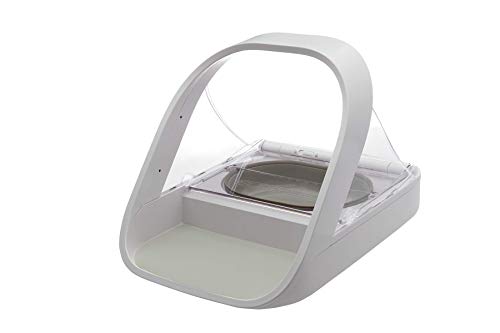
- Opens only for compatible microchips or RFID tags
- Works with wet or dry prescription food
- Helps prevent food stealing in multi-pet homes
Best For: selective feeding where one pet must control access to a prescription diet
App-Tracked RFID Feeding
PETLIBRO RFID Cat Feeder with Diet Tracking

- Individual RFID access for each cat
- App logs meal timing and portion sizes
- Backup battery helps keep feeding on schedule
Best For: busy homes that need consistent access control and diet tracking
Refrigerated Fresh-Meal Option
PetSafe FreshFeed Refrigerated Automatic Wet Food Feeder

- 40°F refrigeration keeps wet food chilled.
- Six rotating meals support consistent feeding.
- App scheduling simplifies daily prep.
Best For: Cats or small dogs needing chilled wet-food portions
Secure Access Feeder
PawsPik Automatic Microchip RFID Cat Feeder
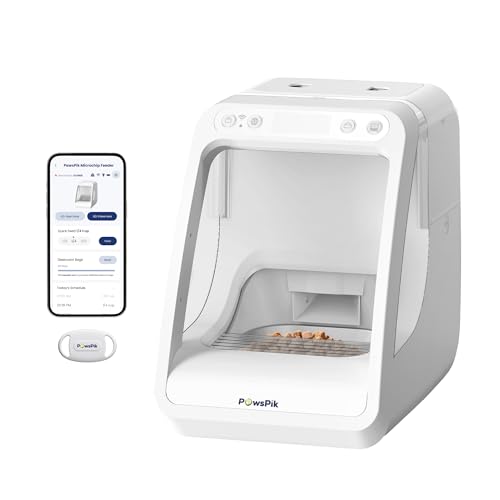
- Microchip/RFID access blocks unauthorized pets.
- App schedules up to 10 meals daily.
- Backup battery supports uninterrupted feeding.
Best For: Single-pet diet control in homes with food stealing
Dual-Pet Diet Manager
PETLIBRO Automatic Cat Feeders for 2 Cats

- Matched pair keeps two cats on separate plans.
- RFID tags prevent food stealing.
- App logs eating habits for both pets.
Best For: Two-cat homes with different diets or medication needs
App-Scheduled Feeding
PetSafe Smart Feed Automatic Pet Feeder

- Schedules up to 12 meals daily
- Portions from 1/8 cup to 4 cups
- Low/empty alerts with app control
Best For: Owners who need flexible scheduling and portion control
Selective RFID Access
Anifam Microchip RFID Cat Feeder

- RFID rotation restricts access by pet
- Includes 2 RFID tags for setup
- Three stainless steel trays are dishwasher safe
Best For: Multi-pet homes that need diet separation
Fresh Meal Timer
Geeni Smart Pet Feeder for Wet or Dry Food

- Five trays for wet or dry food
- Includes ice packs for freshness
- Battery backup for outages
Best For: Timed pre-portioned wet or dry meals
RFID Personalized Meal Control – PETLIBRO Automatic Cat Feeder with RFID Access
If you need a smart pet feeder for prescription diets in a multi-cat home, this PETLIBRO model focuses on access control first. The RFID collar tag unlocks the bowl only for the assigned cat, while the app helps you schedule meals, control portions, and review eating logs so you can keep a closer eye on who ate what.
Best For: Multi-cat households that need personalized access for special diets, weight management, or medication routines.
Pros:
- RFID collar tag system helps prevent food stealing and keep diets separated.
- Diet tracking in the app shows who ate what, when, and how much.
- Dual-band Wi-Fi and app scheduling make remote feeding simple.
- 5-layer freshness protection helps keep dry food sealed and protected.
Cons:
- Uses the included RFID collar tag only, not microchip activation.
- Designed for dry food and indoor use.
- The feeder base and RFID reader should not be washed with water.
This is a strong fit if your priority is separating meals between pets rather than just automating portions. The tracking and locking lid design make it especially useful when consistency matters for prescription feeding.
Microchip Access for Prescription Meals – SureFeed Selective Microchip Pet Feeder
The SureFeed microchip feeder is built for households where a smart pet feeder for prescription diets has to stop food stealing and stress at the bowl. It opens only for the assigned pet’s microchip or RFID tag, and the sealed lid helps keep wet or dry food fresher between meals.
Best For: Pet owners who want microchip-based access control for wet or dry prescription foods.
Pros:
- Works with compatible microchips and RFID collar tags.
- Helps prevent overeating, food theft, and mealtime conflict.
- Suitable for both wet and dry food, with a seal to help retain moisture.
- Simple one-button programming and a three-year warranty.
Cons:
- Holds only 13.5 fl. oz, so it is not a high-capacity feeder.
- Battery powered rather than corded.
- Requires a compatible microchip number or tag format.
This feeder is a practical choice when one pet needs exclusive access to prescription food and you want a compact, proven selective feeder. Its microchip-based design is especially helpful in mixed-pet homes where mealtime policing is a constant issue.
App-Tracked RFID Feeding – PETLIBRO RFID Cat Feeder with Diet Tracking
This PETLIBRO model is a smart pet feeder for prescription diets when you want individualized access plus app monitoring. Each cat uses the provided RFID tag, and the feeder keeps others out while the app records eating habits, portion sizes, and meal timing for a clearer view of daily feeding.
Best For: Busy cat owners who want personalized feeding, tracking, and backup power for routine consistency.
Pros:
- RFID tag access helps keep pets on separate diets.
- App monitoring shows who ate what, when, and how much.
- Dual-band Wi-Fi supports remote access and alerts.
- Backup battery power helps during outages or internet issues.
Cons:
- Only supports the provided collar tag, not microchips.
- Made for dry food and indoor use.
- The feeder base and RFID reader should not be washed with water.
If you want a feeder that combines access control with real-time diet visibility, this one checks both boxes. The backup battery feature also adds peace of mind when regular prescription meals need to stay on schedule.
Microchip-Activated Food Separation – Closer Pets MiBowl Selective Microchip Feeder
The Closer Pets MiBowl is a selective feeder made for pets that need protected access to food, including prescription diets. It opens for compatible microchips or ID tags, and the enclosed design helps block side and rear access so other pets are less likely to interfere at mealtime.
Best For: Small to medium cats and small dogs that need a compact selective feeder for controlled meals.
Pros:
- Compatible with ISO and AVID 15-digit microchips and electronic ID tags.
- Enclosed layout helps prevent food stealing from other pets.
- Dishwasher-safe bowl makes cleanup easier.
- Battery life is reported to last up to 6 months or more.
Cons:
- Bowl capacity is only 11.83 fl oz.
- Not compatible with non-15-digit chips.
- Designed for dry food in the supplied notes.
This is a good compact option when the main need is selective access and simple daily use. For smaller pets on prescription feeding plans, the enclosed bowl design can reduce stress and help keep food where it belongs.
Refrigerated Fresh-Meal Option – PetSafe FreshFeed Refrigerated Automatic Wet Food Feeder
If you need a smart pet feeder for prescription diets that uses wet food, this refrigerated option helps keep meals cold and portioned on a dependable schedule. The 40°F dual semiconductor cooling is designed to keep fresh pet food chilled, while the rotating tray can deliver up to six pre-set meals without daily prep.
Best For: Cats or small dogs that need chilled wet-food meals and consistent automatic scheduling.
Pros:
- True 40°F refrigeration helps keep wet food fresh between meals.
- Six-meal rotating tray supports portioned feeding throughout the day.
- App control lets you schedule meals or dispense food remotely.
- Removable stainless steel trays are dishwasher safe and freezer friendly.
Cons:
- Not compatible with smart home platforms.
- Best suited to cats or small dogs, not larger pets.
- Wet-food capacity is limited to 5 fluid ounces.
For fresh-food routines that need cooling and automation, this feeder stands out by focusing on temperature control as much as scheduling. It is a practical pick when the priority is keeping refrigerated meals ready and consistent.
Secure Access Feeder – PawsPik Automatic Microchip RFID Cat Feeder
A smart pet feeder for prescription diets should prevent the wrong pet from getting the wrong meal, and this RFID feeder is built for exactly that. It uses ISO microchip recognition or the included PawsPik RFID tag to limit access, while app scheduling and portion control help keep feeding routines precise.
Best For: Multi-pet homes that need one pet’s meals kept separate and controlled.
Pros:
- Microchip and RFID access help stop food stealing.
- App control supports up to 10 meals per day with portion settings.
- Backup battery helps maintain feeding during power outages.
- 16-cup capacity reduces refill frequency.
Cons:
- Works for one pet per feeder only.
- Supports only ISO-compliant 15-digit microchips and PawsPik tags.
- Not compatible with smart home systems.
This model makes sense when diet control matters more than general convenience. Its access restriction and app-based feeding tools are useful for pets that must not share meals.
Dual-Pet Diet Manager – PETLIBRO Automatic Cat Feeders for 2 Cats
If you need a smart pet feeder for prescription diets in a two-cat home, this matched RFID feeder pair is designed to keep each cat on its own meal plan. The collar-tag recognition, bowl shields, and locking lids are aimed at preventing food stealing while the app tracks eating habits over time.
Best For: Two-cat homes where each cat needs a separate diet, including weight management or medication routines.
Pros:
- Dual-feeder setup supports separate, synchronized feeding for two cats.
- RFID collar tags help ensure only the assigned cat eats from each bowl.
- Diet tracking in the app shows who ate what, when, and how much.
- Five-layer freshness protection helps preserve kibble quality.
Cons:
- Only works with the included collar tag, not microchips.
- Designed for cats, not a general multi-species feeder.
- Requires care not to wash the feeder base or RFID reader with water.
For households managing different feeding needs, this pair offers a clear separation between pets and their meals. The tracking and access control make it especially useful when consistency and accountability matter.
App-Scheduled Feeding – PetSafe Smart Feed Automatic Pet Feeder
If you need a smart pet feeder for prescription diets, the PetSafe Smart Feed focuses on portion control, scheduling, and reminders that help keep meals on time. It can schedule up to 12 meals a day, dispense from 1/8 cup to 4 cups, and send low/empty alerts so you can stay on top of routine feeding.
Best For: Pet owners who want flexible app control and precise scheduled portions for dogs or cats on a routine diet.
Pros:
- Schedules up to 12 meals daily with portions from 1/8 cup to 4 cups.
- Low/empty notifications and error alerts help prevent missed meals.
- Slow Feed setting dispenses larger meals over 15 minutes.
- Top-rack dishwasher-safe lid, hopper, bowl, and bowl holder simplify cleaning.
Cons:
- Requires WiFi and app setup for full smart features.
- Best suited to dry food feeding rather than wet or refrigerated meals.
Overall, this is a practical choice when the priority is dependable scheduling and portion control rather than specialized food locking. The backup battery support and app alerts add peace of mind for everyday use.
Selective RFID Access – Anifam Microchip RFID Cat Feeder
This smart pet feeder for prescription diets is designed to limit access by pet identity instead of just by time. The Anifam feeder uses RFID detection to rotate the tray so only registered pets can reach their food, which is useful in multi-pet homes where special meals need extra protection.
Best For: Multi-cat or single-cat homes that need selective access to keep prescription food separated from other pets.
Pros:
- RFID sensing rotates the tray for registered pets and resets to a community tray afterward.
- Supports 2–3 cats, with two included RFID tags for setup.
- Can help reduce dogs accessing cat food in single-pet use.
- Three stainless steel trays are top-rack dishwasher safe.
Cons:
- Designed for dry food and wet food use within a compact tray system, not larger bulk feeding.
- Requires careful tag registration near the front infrared sensor during setup.
For households where food stealing is the main problem, this feeder’s selective access design is the standout feature. It’s a strong fit when the goal is keeping special diets secure without constant supervision.
Fresh Meal Timer – Geeni Smart Pet Feeder for Wet or Dry Food
The Geeni Smart Pet Feeder is a useful option if you want a smart pet feeder for prescription diets that includes wet-food support. Its five trays, ice packs, and programmable timer make it better suited to pre-portioned meals that need freshness and a consistent schedule.
Best For: Pet owners feeding wet or dry prescribed meals who want timed portions and battery backup.
Pros:
- Five separate trays can handle wet or dry food.
- Ice packs help keep meals fresh between feedings.
- Alexa and Google Home compatibility adds remote convenience.
- Battery backup helps maintain schedules during outages.
Cons:
- Five-tray design is less flexible than hopper-style feeders for frequent small portions.
- Capacity is limited to pre-portioned meals rather than bulk storage.
This feeder stands out when freshness matters as much as timing, especially for owners managing portioned wet meals. It’s a straightforward pick for consistent daily feeding with a bit more versatility than dry-food-only models.
How We Picked the Best Smart Pet Feeder for Prescription Diets
For a Smart Pet Feeder for Prescription Diets, the priorities are simple: selective access, reliable meal delivery, easy cleaning, and portions you can trust. We looked for models that reduce cross-feeding, support consistent schedules, and make it easier to manage special diets in real homes.
We also favored feeders with useful extras such as app alerts, RFID or microchip recognition, battery backup, and wet-food cooling where relevant.
Quick Comparison
Microchip and RFID feeders are usually the best fit when one pet must not eat another pet’s food. Standard programmable feeders can still help with schedule control, but they are better when food theft is not the main issue. If your pet eats wet food, a refrigerated or ice-pack-assisted model may be the safer choice.
Key Buying Factors for a Smart Pet Feeder for Prescription Diets
Access Control
Look for microchip, RFID collar tag, or collar sensor recognition if you need to keep other pets out. This is the most important feature for protecting prescription meals.
Portion Accuracy and Scheduling
Choose a feeder with dependable portion settings and a scheduling system that matches the prescription plan. Smaller, repeatable servings are often easier to manage than one large meal.
Food Type and Freshness
Dry-food feeders are more common, but wet-food prescription diets need cooling, insulation, or timed refrigeration. Make sure the feeder suits the exact diet your vet recommended.
App Features and Alerts
Smart alerts can help if a meal is missed, a hopper runs low, or the feeder gets stuck. That matters more when timing is tied to medication or digestive health.
Backup Power and Reliability
Battery backup, secure lids, and sturdy bowls add peace of mind during outages or busy days. For a prescription routine, consistency is more important than extra features.
Who Should Buy Which Smart Pet Feeder for Prescription Diets?
If you have multiple pets and one needs controlled access, a microchip or RFID feeder is the best starting point. If your pet’s diet is wet food, choose a refrigerated model or one designed to keep meals chilled. If you mainly need timing and portion control for a single pet, a programmable smart feeder may be enough.
For most households, the best Smart Pet Feeder for Prescription Diets is the one that balances access control, food freshness, and ease of use with the least chance of accidental feeding mistakes.