Microchip cat doors with timer features give you a better balance of freedom and control. They help keep out stray animals while letting your cat move on a schedule that fits your home.
In this roundup, we focused on secure, easy-to-use options for doors, walls, and interior spaces, with a mix of microchip scanning, timer controls, and practical locking features.
Best 10 Microchip Cat Doors with Timer Picks for 2026
Best for Multi-Cat Homes
Cat Mate Elite Microchip Cat Flap

- Microchip or ID disc access for selective entry
- Digital timer with 4-way locking control
- LCD tracking for up to 3 selected cats
Best For: Multi-cat homes that want selective access, curfews, and simple activity tracking.
Best for Multi-Cat Access Control
SureFlap DualScan Microchip Cat Door

- DualScan lets you manage entry and exit permissions per cat.
- Supports up to 32 pets using existing microchips.
- Works with doors, windows, and walls with accessories.
Best For: Multi-cat homes that need selective microchip access and stronger control over comings and goings.
Best Timer Control
Cat Mate Elite I.D Disc Cat Flap (305)

- Up to 9 cats with unique I.D. discs
- Timer and 4-way lock modes for flexible access
- Draft-resistant, weather-sealed flap for everyday use
Best For: Multi-cat homes that want scheduled access control and selective entry/exit management.
Best for Controlled Access
Smart Microchip Cat Door with 3 RFID Keys
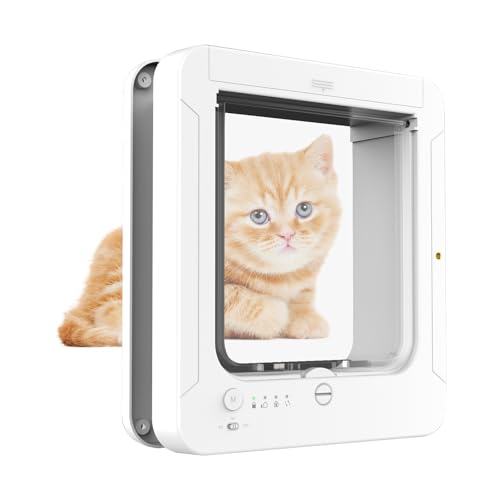
- 4-way locking for flexible access control
- 3 RFID keys plus remote included
- Quiet seal helps reduce drafts and noise
Best For: Cat owners who want secure, selective access without a full timer system.
Best Microchip-Only Choice
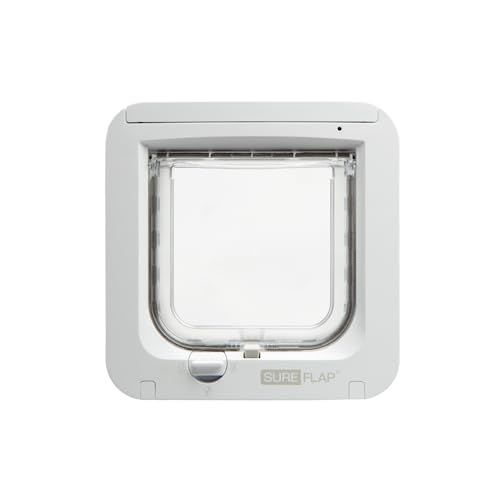
- Reads implanted microchips for selective entry.
- Stores up to 32 pet identities.
- Easy one-button setup with battery-powered operation.
Best For: Cat owners who want reliable microchip access control without extra scheduling features.
Best for Wall Installations
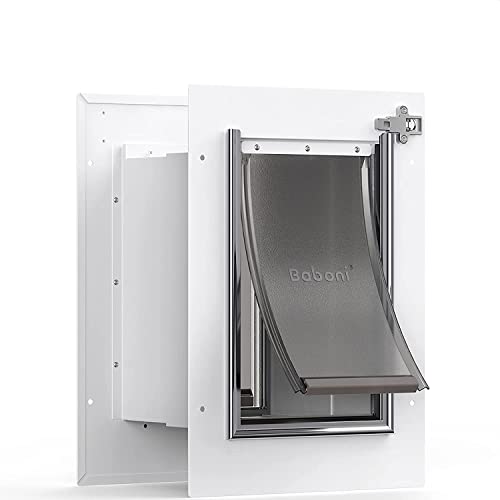
- Fits wall thicknesses from 4 3/4 to 7 1/4 inches
- Double-flap design helps block drafts
- Steel frame adds durability and security
Best For: Homes that need a durable wall-mounted pet door for small cats or dogs.
Best for Basic Containment

- 4-way manual lock for in-only, out-only, both, or closed
- Quiet magnetic flap with brush seal and clear panel
- Weatherproof ABS build for interior or exterior doors
Best For: Cat owners who want simple manual access control instead of app- or timer-based automation.
Best for Wall Installation
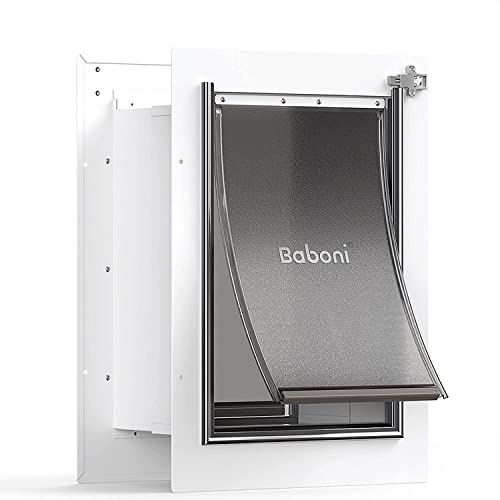
- Durable steel frame with aluminum lock
- Double-flap design improves insulation
- Fits wall thicknesses from 4 3/4 to 7 1/4 inches
Best For: Homeowners who want a sturdy wall-mounted pet door for cats or small dogs.
Best Wall-Mount Pick
Baboni Steel Frame Wall Pet Door

- Double-flap design improves weather resistance.
- Steel frame and aluminum lock add durability.
- Fits walls 4 3/4 to 7 1/4 inches thick.
Best For: Households wanting a durable through-wall pet door for larger cats or small dogs.
Best for Multi-Cat Homes – Cat Mate Elite Microchip Cat Flap
If you want microchip cat doors with timer control that also help manage multiple pets, this Cat Mate Elite bundle is a strong practical pick. It lets approved cats in by microchip or ID disc, adds timed curfews, and gives you LCD status tracking so you can keep tabs on who used the flap and when.
Best For: Multi-cat households that need selective entry, scheduled locking, and a door that can be fitted into UPVC, glass, wood, or wall openings.
Pros:
- Microchip or ID disc access helps keep stray animals out.
- Digital timer and 4-way lock settings add useful day-to-day control.
- LCD tracking can monitor up to 3 selected cats, with last-use info.
- Includes a wall liner bundle for more flexible installation options.
Cons:
- Best suited to small to average-sized cats, not larger breeds.
- Wall and glazing installs may still require careful measuring and fitting.
Overall, this is a very capable choice if you need microchip cat doors with timer functions plus multi-cat monitoring in one setup. It is especially appealing for owners who want security, scheduling, and installation flexibility without moving up to a more complicated system.
Best for Multi-Cat Access Control – SureFlap DualScan Microchip Cat Door
If you’re comparing microchip cat doors with timer-like access control, the SureFlap DualScan is a smart pick because it lets you manage entry and exit permissions for each cat individually. It uses existing microchips, helps block strays and wildlife, and works well when you need more control than a simple one-way flap.
Best For: Homes with multiple cats that need different indoor/outdoor permissions and a secure, microchip-based door.
Pros:
- DualScan technology lets you set exit rules by pet, not just entry access.
- Works with common microchips and can store up to 32 pets.
- Compatible with doors, windows, and walls with the right accessories.
- Quiet flap and low-profile opening help it fit into everyday use.
Cons:
- Not a true timer-based door, so scheduling requires pet access settings instead.
- AA batteries are required and not included.
- Wall or glass installs may need extra parts.
For buyers comparing microchip cat doors with timer-style control, this model stands out for selective access rather than clock-based automation. It’s a practical choice if your priority is keeping certain pets in while letting others come and go safely.
Best Timer Control – Cat Mate Elite I.D Disc Cat Flap (305)
If you want one of the more practical microchip cat doors with timer-style access control, the Cat Mate Elite I.D Disc Cat Flap gives you selective entry for up to 9 cats plus a built-in schedule option to help keep pets in at night. It’s a smart fit for owners who want to balance freedom with security, especially in homes where weather sealing and flexible installation matter.
Best For: Multi-cat households that need selective access, nighttime lockdown control, and a door that works across glass, UPVC, walls, and wood.
Pros:
- Supports up to 9 cats with unique I.D. discs
- Timer and 4-way lock modes add useful access control
- Brush sealing and magnetic closure help reduce drafts
- LCD display shows status, location, and recent use
Cons:
- Uses Pet Mate I.D. discs rather than standard microchips
- Installation may be more involved than a basic flap
Overall, this is a strong choice if you want microchip cat doors with timer-like control without sacrificing multi-cat convenience. The tradeoff is that it depends on compatible I.D. discs, but the access management and weather protection make it a well-rounded pick for practical everyday use.
Best for Timed Curfews – SureFlap Microchip Pet Door
If you want microchip cat doors with timer features that also block stray animals, the SureFlap Microchip Pet Door is a strong fit. It reads your cat’s implanted microchip on entry only, stores up to 32 pets, and lets you set curfew times to lock and unlock on a schedule.
Best For: Cat owners who want selective entry plus programmable curfew control for added nighttime security.
Pros:
- Entry-only microchip scanning helps keep intruder animals out.
- Curfew mode lets you lock and unlock the flap by time.
- Supports up to 32 microchips or RFID collar tags.
- Battery-powered design works in doors, windows, or walls.
Cons:
- Any animal can still exit, so it is not a full two-way lock.
- Batteries are not included and need periodic replacement.
- Glass and wall installs may need extra adapters or tunnel parts.
For buyers comparing microchip cat doors with timer features, this model stands out because it combines selective access with scheduled curfews rather than just basic chip reading. It is especially useful if you want more control over late-night movement without giving up pet-only entry.
Best for Controlled Access – Smart Microchip Cat Door with 3 RFID Keys
If you want one of the more practical microchip cat doors with timer-style control, this smart flap is built around selective access and simple day-to-day use. It doesn’t use a true programmable timer, but the 4-way lock plus RFID/remote access gives you solid control over when pets can come and go.
Best For: Cat owners who want a secure, easy-install door for indoor or exterior use with controlled entry and exit.
Pros:
- 4-way locking modes let you set in/out, in only, out only, or fully locked.
- Includes 3 RFID collar sensor keys plus remote control for hands-free access.
- Quiet magnetic sealing and weather stripping help reduce drafts and noise.
- Safety-focused curved edges and a door-stopper mechanism add peace of mind.
Cons:
- Not a true timer-based cat door, so scheduling must be handled manually.
- Best suited to cats and small pets under 20 lbs.
- Works for thin walls and standard doors, but larger or thicker openings may need extra planning.
For shoppers comparing microchip cat doors with timer-like control, this model stands out for flexible locking and convenient remote access rather than automation. It’s a sensible pick if you care more about secure pet management than fully scheduled opening and closing.
Best Microchip-Only Choice – SureFlap Microchip Cat Flap
If you’re comparing microchip cat doors with timer features, this SureFlap model stands out for simple selective-entry control rather than scheduled access. It reads your cat’s existing microchip, helps keep out stray animals, and is a practical fit for owners who want a straightforward, dependable flap with minimal programming.
Best For: Cat owners who want microchip-based entry control to block intruders and let registered pets in safely.
Pros:
- Reads implanted microchips and stores up to 32 pet IDs.
- Simple one-button setup makes programming quick and easy.
- Can be installed in doors, windows, or walls with accessories.
- Battery-powered design includes a low-battery warning light.
Cons:
- Does not provide a timer or scheduled locking mode.
- Batteries are not included.
- Only scans on entry, so it is not a full two-way smart access system.
For buyers focused on security and selective access, this is a strong pick even if you came looking for microchip cat doors with timer functions. It prioritizes reliable microchip recognition and stray-animal blocking over automation extras, which makes it a good fit for households that want dependable everyday control.
Best for Wall Installations – Baboni Wall Pet Door
If you need a practical entryway for a cat or small dog and are comparing microchip cat doors with timer-style convenience features, this Baboni wall pet door is a simpler mechanical option that still delivers hands-free access. The steel frame, telescoping tunnel, and double flap make it a strong fit for exterior or interior wall installs where durability and weather resistance matter.
Best For: Pet owners who want a sturdy wall-mounted door for small pets up to 12 lb, especially in homes that need a secure, insulated opening.
Pros:
- Telescoping tunnel fits walls from 4 3/4 to 7 1/4 inches thick
- Double-flap design improves weather protection and energy efficiency
- Metal steel/aluminum construction feels durable and secure
- Includes cutout template and instructions for easier installation
Cons:
- Not a microchip-activated model
- Size is limited to pets up to 12 lb
- Requires wall cutting and proper installation space
Overall, this is a solid pick if you want wall-mounted reliability rather than electronic access control. For shoppers comparing microchip cat doors with timer functions, it stands out more for its rugged build, insulation, and straightforward everyday use than for smart features.
Best for Basic Containment – EASY JOY 4-Way Lock Cat Door
If you want a straightforward pet door for controlled access, this EASY JOY model is a practical alternative to more advanced microchip cat doors with timer. Its 4-way locking knob lets you set in-only, out-only, both directions, or fully closed, so you can manage movement without relying on electronics.
Best For: Cat owners who want a simple, weather-resistant door with manual control for interior or exterior use.
Pros:
- 4-way lock gives you flexible control over when pets can enter or exit
- Magnet and brush design helps reduce noise and improve sealing
- Transparent flap lets pets see through before crossing
- ABS construction and included screws support durable installation
Cons:
- No microchip recognition or timer-based scheduling
- Best suited to smaller cats and pets under the stated girth limit
- Installation may take extra care on thicker doors
For shoppers comparing microchip cat doors with timer functions, this is the simpler low-maintenance option: it won’t automate access, but it does provide reliable manual locking and a useful weatherproof design at a friendlier price point.
Best for Wall Installation – Baboni Steel Frame Pet Door
If you’re comparing microchip cat doors with timer-style access control, this Baboni wall-mounted pet door is a practical non-electronic option for giving pets more independence. It doesn’t use a timer or microchip reader, but it does offer a sturdy double-flap design, a locking mechanism, and a telescoping tunnel for wall installs.
Best For: Households that want a durable, wall-mounted pet door for cats or small dogs up to 40 lb.
Pros:
- Steel frame and aluminum lock add durability and security.
- Double flaps help improve weather resistance and energy efficiency.
- Telescoping tunnel fits walls 4 3/4 to 7 1/4 inches thick.
- Includes a cutout template and installation instructions.
Cons:
- Not a microchip or timer-controlled cat door.
- Requires wall cutting and installation effort.
- Medium size may be too small for larger pets.
For buyers focused on microchip cat doors with timer features, this model is more of a durable manual alternative than an automated access solution. It makes sense if you want dependable wall-mounted access and weather protection without paying for electronics.
Best Wall-Mount Pick – Baboni Steel Frame Wall Pet Door
If you need a sturdy through-wall option instead of microchip cat doors with timer controls, the Baboni Pet Door is built for simple, durable access. Its steel frame, telescoping tunnel, and double flap design make it a practical choice for homes that want weather protection, easy installation, and a larger opening for cats or small-to-medium dogs.
Best For: Pet owners who want a tough wall-mounted door with solid insulation and no-fuss daily access for pets up to 100 lb.
Pros:
- Double-flap design helps block drafts and improve energy efficiency.
- Steel and aluminum build feels durable for long-term wall installation.
- Telescoping tunnel fits wall thicknesses from 4 3/4 to 7 1/4 inches.
- Large opening suits cats and bigger pets up to 100 lb.
Cons:
- No timer or electronic locking features for scheduled access control.
- Wall cutout installation takes more effort than a standard door insert.
This is a strong pick if you care more about durability and insulation than smart scheduling. For shoppers comparing microchip cat doors with timer features, the Baboni stands out as a rugged mechanical alternative that prioritizes weather sealing and straightforward entry over automation.
How We Picked the Best Microchip Cat Doors with Timer
We prioritized models that combine reliable pet recognition, dependable locking behavior, and real-world installation flexibility. For Microchip Cat Doors with Timer functionality, that means looking beyond the flap itself and considering how well the timer integrates with day-to-day use. We also favored doors with clear sizing info, solid weather resistance, and features that help reduce unwanted access from other animals.
Quick Comparison
Use the timer-based models if you want access windows tied to your routine. Choose microchip-only doors if your main goal is selective entry without added scheduling complexity. Wall-mounted and double-flap designs are better for exposed locations, while interior models work well for limiting room access inside the home.
Key Buying Factors for Microchip Cat Doors with Timer
Recognition Method
Microchip scanning is the core feature, but some products also support RFID tags or discs. If your cat is not microchipped, choose a compatible tag-based system instead of forcing a fit.
Timer Controls
Check whether the timer supports simple lockout periods, daily schedules, or more advanced programming. The easiest systems let you set predictable open and closed windows without constant reprogramming.
Door Size and Cat Fit
Measure your cat’s shoulders and chest, not just head width. A flap that is technically compatible may still be uncomfortable for larger or long-bodied cats.
Installation Location
Exterior doors, walls, and glass panels each have different requirements. Wall installs usually need tunnels or liners, while door-mounted models are simpler for standard entry points.
Security and Weather Protection
Look for secure locking modes, draft reduction, and weather-sealing features if the opening will face outside. These details matter more than cosmetic extras.
Who Should Buy Which Microchip Cat Doors with Timer?
If you want the most control over when your cat can come and go, choose one of the Microchip Cat Doors with Timer controls. If you live with multiple pets, a dual-scan or tag-compatible option can make access management easier. For apartments or indoor use, a simpler locking cat door may be enough. For colder or exposed setups, prioritize insulated, wall-ready, or double-flap designs that reduce drafts and improve durability.
Overall, the best choice is the one that matches your cat’s size, your installation surface, and how much scheduling control you actually plan to use.