Microchip and RFID feeders are a smart way to protect each cat’s meal, reduce food stealing, and keep feeding routines consistent.
Below, we focus on the features that matter most in multi-cat homes, so you can choose a feeder that fits your cats, your schedule, and your budget.
Best 10 Microchip Automatic Cat Feeders Picks for 2026
Selective Microchip Feeder
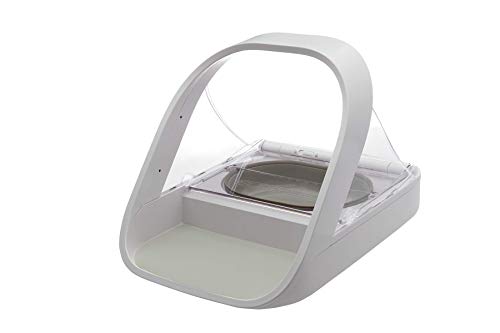
- Microchip or RFID tag access
- Supports wet and dry food
- Helps stop food stealing
Best For: multi-pet homes and prescription diets
Smart RFID Trio
PETLIBRO RFID Feeders for 3 Cats

- Three feeders for multi-cat homes
- App-based diet tracking and alerts
- RFID tag access helps prevent stealing
Best For: three-cat homes with different diets
Connected Portion Feeder
SureFeed Microchip Pet Feeder Connect

- Microchip or RFID selective access
- Integrated scales for portion guidance
- App features require separate hub
Best For: buyers wanting connected portion monitoring
Single-Cat RFID Feeder
PETLIBRO RFID Automatic Cat Feeder

- Personalized meals with RFID tag
- App scheduling and portion control
- Battery backup for outages
Best For: small households wanting simple personalized feeding
Selective RFID Feeder
Microchip & RFID Multi-Pet Feeder
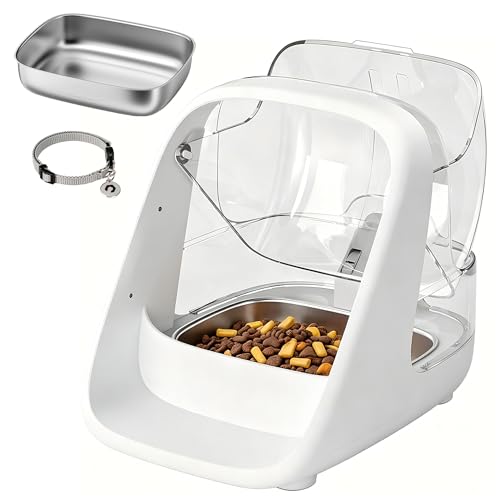
- Stops food stealing with selective lid access
- Works with microchips and RFID collar tags
- USB-C rechargeable with stainless steel bowl
Best For: Multi-cat homes with different diets
App-Controlled RFID Feeder
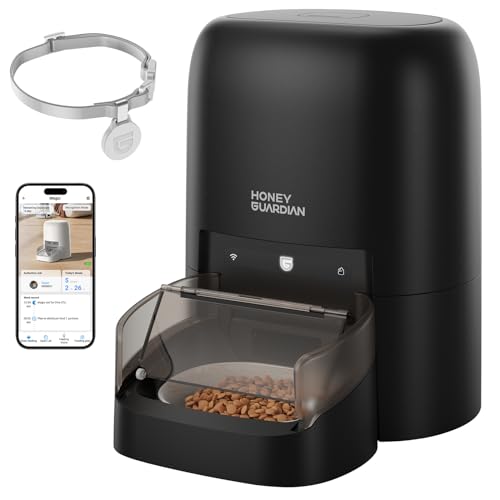
- RFID tag access with app scheduling and logs
- Large 4.6L dry-food capacity
- Dual-band Wi-Fi with low-food and low-battery alerts
Best For: Cat owners who want feeding data and remote control
Health-Tracking RFID Feeder
Microchip-Compatible Health Tracker Feeder

- Supports 125KHz and 134.2KHz microchips plus RFID tags
- App tracks meals and feeding patterns
- Dual sensors help reduce clog and low-food issues
Best For: Cats on special diets or owners who want feeding insights
Dual-Cat RFID Feeding System
PETLIBRO RFID Cat Feeders for 2 Cats
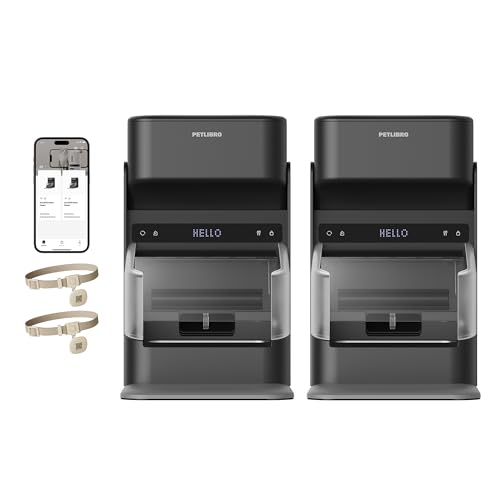
- Pack of 2 feeders for two assigned cats
- RFID lid helps prevent food stealing
- App logs track eating habits in Pawsense
Best For: Multi-cat homes needing separate meals and tracking
Single-Cat Personalized Access
PETLIBRO RFID Automatic Cat Feeder

- RFID collar tag unlocks food for one cat
- App scheduling and portion control are built in
- Freshness protection helps keep kibble sealed
Best For: Single-cat feeding with multi-pet protection and tracking
Two-Pet Diet Control Set
PETLIBRO Automatic Cat Feeders for 2 Cats

- Pack of 2 for synchronized two-cat feeding
- RFID collar tags help stop food stealing
- App-based diet tracking supports special diets
Best For: Households needing a matched two-feeder system
Selective Microchip Feeder – SureFeed Microchip Pet Feeder
If you need one of the most practical microchip automatic cat feeders for a busy multi-pet home, this SureFeed model is built to stop food stealing and help keep mealtimes calm. It opens for an assigned pet by microchip or RFID collar tag, and the sealed lid helps keep wet or dry food fresher longer.
Best For: Multi-pet homes, cats on prescription diets, and owners who want selective access without complicated setup.
Pros:
- Opens only for the assigned pet using microchip ID or RFID collar tag.
- Helps prevent food stealing and supports portion control for healthier feeding.
- Holds wet or dry food and the sealed lid helps retain moisture.
- Simple one-button programming with a three-year warranty.
Cons:
- Best results are typically achieved when each pet has its own feeder.
- RFID collar tags are separate if you need extra tags.
Overall, this is a straightforward selective feeder that focuses on reliability and mealtime peace rather than app-heavy features. It’s a strong fit if your main priority is stopping pets from eating each other’s food.
Smart RFID Trio – PETLIBRO RFID Feeders for 3 Cats
Among microchip automatic cat feeders, this PETLIBRO setup is aimed at households managing multiple cats with different diets and feeding needs. It uses collar-tag RFID recognition, app-based scheduling, and diet tracking to help keep every cat on the right meal plan.
Best For: Three-cat homes and pet parents who want app tracking, remote control, and feeding separation.
Pros:
- Each feeder opens only for the designated cat wearing the provided RFID tag.
- App monitoring shows eating habits and portion sizes for each cat.
- Helps prevent food stealing and supports separate diets or medication schedules.
- Dual-band Wi-Fi, low-food alerts, and battery backup add convenience.
Cons:
- Not microchip activated; it only supports the provided collar tag.
- This is a three-pack setup, so it may be more than some homes need.
This is a feature-rich choice if you want personalized feeding plus visibility into each cat’s eating routine. It makes the most sense when managing multiple cats is the main challenge.
Connected Portion Feeder – SureFeed Microchip Pet Feeder Connect
This connected pick takes the selective feeding idea further by adding app-linked portion control through the Sure Petcare hub, sold separately. It’s a good option if you want one of the more advanced microchip automatic cat feeders for monitoring portions and keeping wet or dry food secure.
Best For: Owners who want app-connected feeding data and portion guidance, along with microchip-selective access.
Pros:
- Uses the pet’s microchip or RFID collar tag to stop food stealing.
- Integrated scales guide you to the correct portion within 1 g of accuracy.
- App connectivity can help you notice changes in feeding habits.
- Seals food to help retain moisture and freshness for wet or dry food.
Cons:
- Requires the Sure Petcare hub, which is sold separately.
- Some advanced features only work when connected through the hub and app.
If you want selective access plus portion-by-portion monitoring, this model is the most data-driven of the group. Just factor in the separate hub if you want the full connected experience.
Single-Cat RFID Feeder – PETLIBRO RFID Automatic Cat Feeder
If you want a simple feeder from the microchip automatic cat feeders category but only need RFID collar-tag access, this PETLIBRO model keeps the focus on individualized meals. It opens for the assigned cat, helps prevent food theft, and adds app-based diet tracking for easier daily management.
Best For: Single-cat or small multi-cat households that want personalized meals and basic app control.
Pros:
- Opens only for the cat wearing the provided collar tag.
- Helps prevent food stealing and supports different diets.
- App scheduling and portion control are easy to manage.
- Dual-band Wi-Fi and backup battery power improve reliability.
Cons:
- Only supports the provided collar tag, not microchip activation.
- Not as broad a package as the three-feeder version for larger households.
This is a practical pick if you want personalized feeding without stepping up to a larger multi-unit system. It covers the essentials well and keeps the setup relatively simple.
Selective RFID Feeder – Microchip & RFID Multi-Pet Feeder
If you need microchip automatic cat feeders that stop one cat from eating another cat’s meal, this selective feeder is built for exactly that job. It opens only for the registered pet, supports both implanted microchips and RFID collar tags, and works with wet or dry food in a sealed bowl system.
Best For: Multi-cat homes that need food protection for different diets, wet food, or prescription meals.
Pros:
- Lid opens only for the registered pet and closes when they walk away.
- Supports 15-digit ISO FDX-B microchips plus RFID collar tags, with pairing for up to 15 pets.
- Rechargeable USB-C battery can last up to 6 months per charge.
- Includes a stainless steel bowl that is dishwasher safe and odor resistant.
Cons:
- Does not support 9-digit or 10-digit microchips.
- 500 ml capacity is best for a single meal, not large portions.
This is a practical pick if you want a no-app feeder that focuses on access control and easier cleanup. The mix of microchip and RFID support makes it flexible, while the sealed bowl design adds useful freshness protection for both wet and dry food.
App-Controlled RFID Feeder – Smart RFID Bowl Feeder
Among microchip automatic cat feeders, this HoneyGuaridan model stands out for app scheduling plus RFID-only access control. It uses a collar tag to unlock the bowl for the right cat, while keeping food protected in a large sealed container designed for dry food.
Best For: Owners who want app scheduling, feeding logs, and RFID access for one or two cats.
Pros:
- RFID collar tag access helps prevent food theft in multi-pet homes.
- App control supports weekly feeding schedules and records who ate and when.
- Dual-band Wi-Fi and alerts add convenient remote monitoring.
- Large 4.6L capacity and multi-layer sealing help keep dry food fresh.
Cons:
- Uses RFID collar tags rather than implanted microchip recognition.
- Only one feeder can be paired with up to two collar tags.
- Dry-food use is the intended setup, not wet-food feeding.
This feeder makes sense if you want smart scheduling and visible feeding data alongside selective access. The ceramic bowl and sealed storage are nice touches, but the system is more focused on dry-food household management than on broad microchip compatibility.
Health-Tracking RFID Feeder – Microchip-Compatible Health Tracker Feeder
If you’re comparing microchip automatic cat feeders for a cat on a special diet, this Invengo model is built around precise recognition and feeding visibility. It supports both microchips and RFID collar tags, then uses app tracking to log meals, portion activity, and feeding patterns.
Best For: Multi-cat households that want microchip access plus meal tracking for dry prescription or weight-management diets.
Pros:
- Compatible with 125KHz and 134.2KHz microchips plus RFID collar tags.
- App logs who ate, when, and how much, with daily and weekly reports.
- Dual-band Wi-Fi supports remote scheduling and portion control.
- Dual anti-clog and level sensors help prevent empty-bowl and jam issues.
Cons:
- Designed for one feeder per paired cat, so it is not a shared-access system.
- Set up is centered on dry food rather than wet meals.
This is a strong option if you want more than simple meal access control. The feeder combines selective recognition with health-oriented tracking, which can be useful for owners watching appetite changes or managing prescription feeding routines.
Dual-Cat RFID Feeding System – PETLIBRO RFID Cat Feeders for 2 Cats
If you’re comparing microchip automatic cat feeders for a two-cat household, this PETLIBRO pack is built around individualized access and shared app control. Each feeder recognizes its assigned cat with the included RFID collar tag, helping prevent food stealing while keeping different diets organized.
Best For: Multi-cat homes that need synchronized feeding, diet separation, and app-based tracking for both cats.
Pros:
- Matched pair of feeders operates independently for two assigned cats
- RFID-controlled lid helps block food stealing and support different diets
- Pawsense app tracking shows who ate what, when, and how much
- Dual-band Wi-Fi supports remote scheduling and alerts
Cons:
- Only works with the included RFID collar tag, not microchip activation
- Pack of 2 may be more feeder than single-cat homes need
- Requires corded power and indoor use
This is a practical fit if you want controlled access for two cats without juggling separate feeding routines manually. The 5-layer freshness protection and removable stainless steel bowls add convenience, while the app helps keep diet monitoring straightforward.
Single-Cat Personalized Access – PETLIBRO RFID Automatic Cat Feeder
For shoppers looking at microchip automatic cat feeders, this PETLIBRO model focuses on collar-tag recognition rather than microchip scanning. It unlocks the bowl only for the assigned cat, which is useful when you need to manage portions, protect special diets, or stop another pet from sneaking food.
Best For: One-cat feeding setups in multi-pet homes where diet control and app scheduling matter.
Pros:
- RFID collar tag-activated access for personalized meals
- Helps prevent food stealing in multi-pet homes
- Pawsense app tracks eating time, amount, and habits
- Dual-band Wi-Fi supports scheduling and remote alerts
Cons:
- Does not support microchip activation
- Only includes one feeder, so it’s not a two-cat bundle
- Must use the provided collar tag and keep the feeder base dry
This is the most straightforward choice of the three if you need personalized access for a single cat and want app-based control. The 3L capacity and freshness-focused lid design make it a solid everyday feeder for routine use.
Two-Pet Diet Control Set – PETLIBRO Automatic Cat Feeders for 2 Cats
If you’re shopping microchip automatic cat feeders for two cats, this PETLIBRO pack is aimed at individualized feeding with shared oversight. Each feeder uses the included RFID collar tag to recognize its cat, helping you separate meals, reduce stealing, and track intake in the app.
Best For: Two-cat households that want coordinated feeding, diet separation, and app monitoring in one matched set.
Pros:
- Matched pair recognizes each cat with its own RFID collar tag
- Helps coordinate special diets, weight management, or medication routines
- Pawsense logs show who ate what, when, and how much
- Dual-band Wi-Fi supports remote access and instant alerts
Cons:
- Not microchip activated; only works with the provided collar tag
- Pack of 2 may be unnecessary for smaller households
- Requires corded electric power and indoor placement
Compared with the other options, this bundle is best when you want a complete two-feeder setup from the start. The removable stainless steel bowls, bowl shields, and 5-layer freshness protection round out a feature set built for busy multi-cat homes.
How We Picked the Best Microchip Automatic Cat Feeders
We focused on feeders that make individualized feeding simpler, especially for homes with more than one cat. The most important criteria were microchip or RFID compatibility, reliable selective access, capacity, ease of cleaning, and practical features like app control, battery backup, and stainless-steel bowls where available.
We also looked for models that support everyday use without creating extra work. That means simple setup, stable recognition of the right cat, and designs that help limit food theft or overeating.
Quick Comparison
In general, the strongest options fall into three groups: basic selective feeders for straightforward access control, app-connected models for tracking and scheduling, and collar-tag systems for cats that do not reliably respond to microchip scanning. If you want the simplest path, choose a basic selective feeder. If you want more monitoring and control, look at connected or programmable models. For households with several pets, the best fit often depends on whether you need one feeder for one cat or a synchronized setup for multiple cats.
Key Buying Factors for Microchip Automatic Cat Feeders
Recognition Method
Not every feeder works the same way. Some read an implanted microchip, while others use an RFID collar tag. Microchip-based access is more permanent, while collar-tag systems can be helpful for pets without registered chips or for households that prefer removable identifiers.
Capacity and Portion Control
Check bowl size, total food capacity, and whether the feeder supports measured servings. For weight management or prescription diets, accurate portion control matters more than large storage alone.
Multi-Cat Behavior
Microchip Automatic Cat Feeders are especially useful when one cat eats too quickly or steals food. Look for fast recognition, secure lid movement, and a design that discourages pushy cats from sneaking in.
Power, App Features, and Cleaning
Battery backup can prevent missed meals during outages. App-connected models may offer meal logs, scheduling, and diet tracking, but only if those features match your needs. Easy-to-remove bowls and washable parts make long-term maintenance much simpler.
Who Should Buy Which Microchip Automatic Cat Feeders?
Choose a basic selective feeder if you want reliable access control without extra tech. Pick a connected model if you want remote monitoring, feeding logs, or tighter scheduling. Go with a collar-tag feeder if your cat does not have a microchip or if you want a flexible ID solution for multiple pets.
For most buyers, the best choice is the feeder that matches your cat’s identification method first, then the one that adds the right mix of convenience, capacity, and cleanup ease.