Choosing the right treadmill can make rehabilitation safer, more consistent, and easier to manage at home. The best models support controlled movement, reduce joint strain, and help you match exercise to your dog’s recovery stage.
In this roundup, we focus on dog treadmill machines for rehabilitation that offer the right mix of stability, speed control, sizing, and safety features for different breeds and mobility needs.
Best 10 Dog Treadmill Machines for Rehabilitation Picks for 2026
Best for Small & Medium Dogs
Lifepro PawRunner Dog Treadmill

- Quiet motor for sensitive dogs
- Remote-controlled speed adjustments
- Safety key and emergency stop
Best For: Small and medium dogs that need calm indoor exercise, walking support, or light rehab work.
Best for Quiet Indoor Rehab
SereneLife Foldable Dog Treadmill
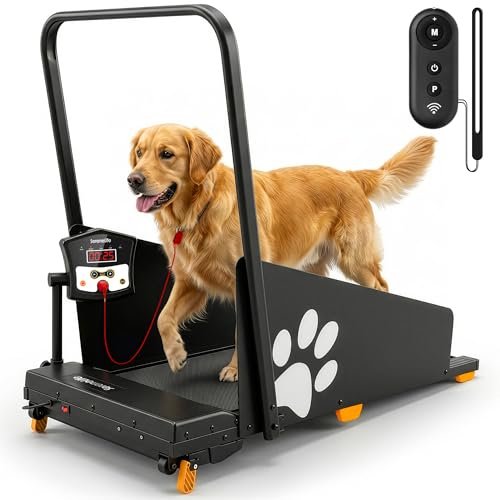
- Quiet motor for low-distraction indoor sessions
- Shock-absorbing belt supports gentler movement
- Foldable design is easier to store at home
Best For: Dogs needing calm, low-impact indoor exercise and gradual conditioning.
Best Non-Electric Rehab Pick
PawPaw’s Dog Treadmill for Large Dogs
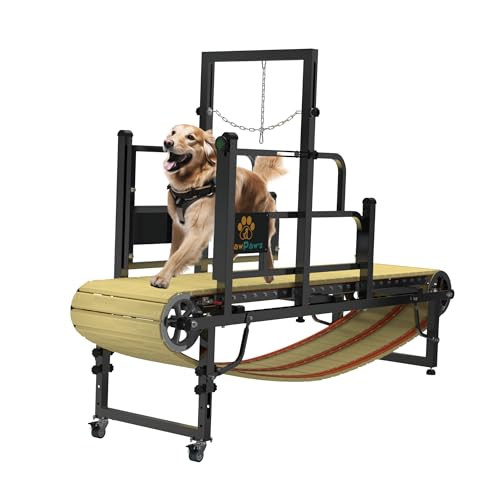
- Self-powered slatmill supports paced exercise
- Brake and supervision-friendly design
- Built for large dogs up to 330 lbs
Best For: Large or medium dogs needing controlled, supervised rehab and fitness work.
Best for Easy Monitoring
CIIHI Dog Treadmill for Medium Small Dogs
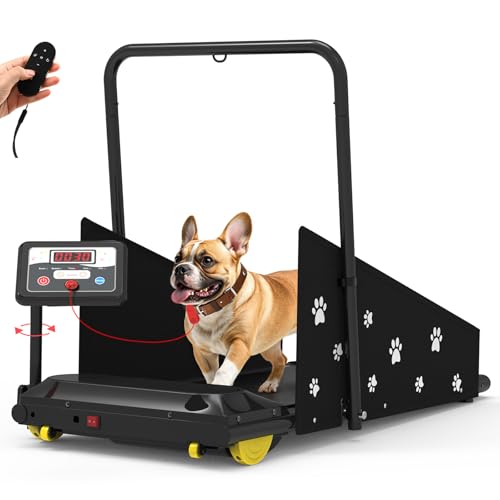
- 360° display and remote control simplify adjustments
- Safety panels and key support controlled rehab sessions
- Low noise and wheels make it home-friendly
Best For: Owners who want a supervised treadmill for controlled conditioning, recovery routines, or indoor exercise.
Best Non-Motor Rehab Pick
- Self-paced non-electric slatmill design
- Brake helps with supervised control
- Fits large dogs up to 330 lbs
Best For: Large or medium dogs that need controlled, supervised exercise support during rehab or conditioning.
Best for Rehab Walks
Lastforever Small & Medium Dog Treadmill
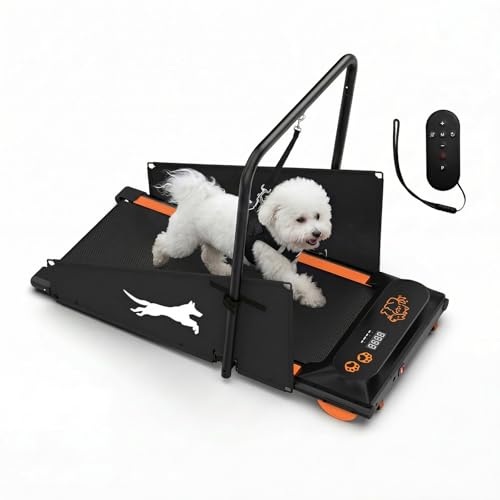
- Quiet 2.5HP motor for calmer indoor training
- Shock-absorbing 5-layer belt helps reduce impact
- Remote control and LED display simplify pace tracking
Best For: Small to medium dogs needing controlled, low-impact indoor walking for recovery or conditioning.
Best Self-Powered Rehab Trainer
Non-Motorized Large Dog Slatmill

- Self-powered design for dog-led pacing
- Brake handle helps manage speed safely
- 5-level incline adds rehab-friendly variety
Best For: Large or medium dogs needing controlled indoor rehab and conditioning.
Best For Small Breeds
Non-Motorized Dog Treadmill for Small Dogs

- Manual slatmill lets dogs control their own pace
- Embedded, screw-free belt improves paw safety
- Foldable, quiet, and shock-absorbing for home rehab use
Best For: Small to medium dogs needing low-impact conditioning or rehab at home.
Best for Large Dogs
Manual Dog Treadmill with Foot Brake

- Self-powered manual operation
- 57" or 64" extra-long belt
- Heavy-duty frame for big dogs
Best For: Large, athletic dogs needing controlled indoor exercise or rehabilitation support.
Best for Rehab Control
Dog Treadmill for Medium Large Dogs

- 3-layer shock absorption for lower-impact movement
- Disc brake and pin-hinged track improve control and safety
- Speed/distance monitor helps track rehab progress
Best For: Medium to large dogs needing a self-paced treadmill for controlled recovery and conditioning.
Best for Small & Medium Dogs – Lifepro PawRunner Dog Treadmill
If you’re comparing dog treadmill machines for rehabilitation, the Lifepro PawRunner is a practical pick for small and medium dogs that need controlled indoor exercise. Its quiet motor, remote speed adjustment, and built-in safety features make it easier to support a consistent recovery-friendly routine at home.
Best For: Pet owners who want a quiet, easy-to-use treadmill for small or medium dogs up to 130 lbs that need regular indoor exercise or gentle rehab support.
Pros:
- Ultra-quiet motor helps sensitive dogs stay comfortable during workouts
- Remote control makes pace changes simple while supervising rehab sessions
- Safety key and emergency stop button add extra peace of mind
- Quick setup is convenient for daily use at home
Cons:
- Not intended for large dogs despite the high weight claim
- Best suited to walking and light conditioning rather than intense running
- Indoor-only design requires enough floor space
Overall, the PawRunner fits owners who want a low-stress way to keep routines consistent, especially when outdoor walking is limited. For dog treadmill machines for rehabilitation, it stands out more for comfort and safety than for advanced training features.
Best for Quiet Indoor Rehab – SereneLife Foldable Dog Treadmill
If you’re comparing dog treadmill machines for rehabilitation, this SereneLife model is built around controlled indoor walking, gentle jogging, and joint-friendly cushioning. The 0.5–5 MPH range, two-level incline, and quiet motor make it a practical option for keeping recovery sessions calm and consistent at home.
Best For: Dogs that need low-impact indoor exercise, gradual conditioning, or a safer way to stay active when outdoor walks are limited.
Pros:
- Shock-absorbing belt helps reduce impact on joints during rehab-style sessions
- Quiet 2.5HP motor and remote control support calm, easy training
- Foldable frame with wheels makes storage and room-to-room movement easier
- Safety key and LED display add convenience and peace of mind
Cons:
- Manual incline adjustment is less convenient than automatic incline
- Not ideal for larger dogs that need a longer or wider running surface
- Assembly and training time may be needed before a dog uses it confidently
As a rehab-friendly home treadmill, this SereneLife unit stands out for owners who want a steady, lower-impact routine without a lot of noise or setup hassle. It fits well among dog treadmill machines for rehabilitation when the goal is controlled movement, not high-speed workouts.
Best Non-Electric Rehab Pick – PawPaw’s Dog Treadmill for Large Dogs
If you’re comparing dog treadmill machines for rehabilitation, PawPaw’s non-electric slatmill stands out for controlled, self-paced movement and indoor exercise when walking outside is limited. The brake, adjustable height, and heavy-duty frame make it a practical option for dogs that need consistent activity, whether for conditioning, weight management, or low-impact rehab support.
Best For: Large and medium dogs that need a self-powered treadmill for supervised rehab, fitness, or weather-proof daily exercise.
Pros:
- Non-motorized design lets dogs set their own pace and stop when needed
- Brake and supervision-friendly setup support more controlled exercise sessions
- Heavy-duty build fits larger dogs up to 330 lbs
- Useful for indoor training when weather or schedules interrupt walks
Cons:
- Not an automatic treadmill, so it requires active handling and encouragement
- Large footprint may be too big for small homes or tight spaces
- Assembly and fit require checking your dog’s measurements carefully
As a rehab-friendly option, this machine works best for owners who want hands-on control rather than a powered belt. For dog treadmill machines for rehabilitation, its self-driven motion and sturdy construction make it a strong fit for steady conditioning and supervised recovery work.
Best for Easy Monitoring – CIIHI Dog Treadmill for Medium Small Dogs
If you want a compact exercise option for rehab work, this CIIHI unit fits the needs of dog treadmill machines for rehabilitation with simple speed control, a visible display, and a calm low-noise design. It’s aimed at medium and small dogs that need controlled walking or light running sessions at home.
Best For: Pet owners who want a supervised, low-stress treadmill for controlled conditioning, recovery routines, or indoor exercise.
Pros:
- 360° rotatable display and remote make it easy to monitor and adjust sessions.
- Side panels and safety key add useful protection for cautious rehab use.
- Low-noise operation is better for sensitive dogs and quiet homes.
- Wheels and removable parts help with moving and storage.
Cons:
- Not ideal for large dogs or higher-intensity athletic training.
- Assembly and setup may take some time for first-time users.
- Width and belt size are better suited to smaller pets than bigger breeds.
For owners comparing dog treadmill machines for rehabilitation, this model stands out for its easy monitoring and safety-minded layout more than raw power. It’s a practical pick when controlled pacing, visibility, and quieter operation matter most.
Best Non-Motor Rehab Pick – PawPaw’s Large Dog Slatmill
If you need a safer indoor exercise option for recovery days, this PawPaw’s model is a practical fit among dog treadmill machines for rehabilitation. Its non-electric slatmill design lets your dog control the pace, while the brake and sturdy frame make it easier to manage supervised walking, conditioning, and low-impact work at home.
Best For: Large or medium dogs that need controlled, self-paced exercise support during rehab, conditioning, or bad-weather training.
Pros:
- Non-motorized design lets dogs start, stop, and pace themselves
- Brake feature adds more control during supervised sessions
- Handles large breeds up to 330 lbs with size options for medium dogs
- Solid steel frame and wood slat belt are built for frequent use
Cons:
- Not ideal for dogs who need fully passive rehabilitation support
- Requires supervision and training for safe use
- Large footprint may be too big for tight indoor spaces
For pet owners comparing dog treadmill machines for rehabilitation, this stands out for self-paced movement and durable construction rather than powered convenience. It’s a good match when you want controlled exercise, but it works best as a supervised tool rather than a hands-off rehab solution.
Best for Rehab Walks – Lastforever Small & Medium Dog Treadmill
If you’re comparing dog treadmill machines for rehabilitation, this Lastforever model stands out for its low-noise 2.5HP motor, shock-absorbing belt, and controlled speed settings. It’s built to help dogs stay active indoors when outdoor walks aren’t practical, while giving you a safer way to manage gentle conditioning, recovery work, or weight control.
Best For: Small to medium dogs that need low-impact indoor walking, including senior pets, dogs in recovery, and cautious first-time treadmill users.
Pros:
- Quiet motor helps nervous dogs settle in and train more comfortably
- 5-layer anti-slip belt with shock absorption is kinder on joints and paws
- LED display and remote make pace changes simple during rehab sessions
- Side panels and safety leash add extra control for indoor exercise
Cons:
- Designed for small and medium dogs, so larger breeds will need another option
- Not a full substitute for outdoor enrichment or vet-guided rehab plans
- May still require training time for dogs unfamiliar with treadmills
For owners shopping dog treadmill machines for rehabilitation, this is a practical middle-ground choice: supportive, quiet, and easy to monitor without adding unnecessary complexity. It’s especially appealing if you want controlled indoor exercise that prioritizes comfort and consistency over advanced features.
Best Self-Powered Rehab Trainer – Non-Motorized Large Dog Slatmill
This non-motorized slatmill is a practical option if you’re comparing dog treadmill machines for rehabilitation and want a self-paced way to build endurance indoors. The wide running surface, 5-level incline, and brake handle give you more control over training intensity, while the pedometer helps track sessions as your dog progresses.
Best For: Large and medium dogs that need controlled indoor exercise, rehab-friendly conditioning, or a safer way to train in bad weather.
Pros:
- Self-powered design lets the dog set its own pace
- Brake handle and protective wheel covers add safety control
- 5-level incline supports varied conditioning and rehab routines
- Wide slatmill deck is better suited to medium and large dogs
Cons:
- No motor means it depends on the dog’s willingness to move
- Bulky equipment may be hard to place in small homes
- Assembly and setup may take more effort than a basic treadmill
For owners who need a safer indoor conditioning tool, this slatmill stands out among dog treadmill machines for rehabilitation because it combines self-paced movement with simple speed control and adjustable incline. It’s a strong fit when you want structured exercise without relying on a powered machine.
Best For Small Breeds – Non-Motorized Dog Treadmill for Small Dogs
If you want dog treadmill machines for rehabilitation that prioritize joint comfort, control, and quiet indoor use, this non-motorized slatmill is a strong fit. The manual design lets your dog set the pace naturally, while the embedded belt, shock absorption, and low-profile frame help reduce the risks that can come with faster motorized units.
Best For: Small to medium dogs recovering mobility or building low-impact conditioning at home, especially where space and noise matter.
Pros:
- Manual, self-propelled pace lets dogs move at a comfortable rehab speed
- Embedded, screw-free belt design improves paw safety and stability
- 3-layer shock absorption and quiet operation are friendlier for home use
- Foldable, waterproof frame works well in compact indoor or outdoor spaces
Cons:
- Non-motorized design means the dog must provide the movement
- Size is better suited to small and medium breeds than larger dogs
- Rehab users may still need supervision and vet guidance for proper pacing
This model stands out among dog treadmill machines for rehabilitation because it blends safety-focused construction with a natural stride feel. It is especially appealing if you want controlled, low-impact exercise without the noise, complexity, or forced pace of a powered treadmill.
Best for Large Dogs – Manual Dog Treadmill with Foot Brake
If you need a controlled indoor option for consistent conditioning, this manual model is a strong fit for dog treadmill machines for rehabilitation. The self-powered design lets your dog set the pace naturally, while the long belt and foot brake add a practical layer of safety for recovery work and low-stress exercise.
Best For: Large or athletic dogs that need steady indoor exercise, gait-friendly movement, or rehabilitation support without a motorized treadmill.
Pros:
- Manual, self-powered operation keeps pace natural and quiet.
- Extra-long 57″ or 64″ track supports fuller stride extension.
- Heavy-duty steel frame is built for bigger, high-energy dogs.
- Foot brake provides quick stopping for added training safety.
Cons:
- Manual use requires handler supervision and coaching.
- Large footprint may be challenging in smaller rooms.
- Not as convenient as a powered treadmill for preset speeds.
For owners comparing dog treadmill machines for rehabilitation, this one stands out for its simple mechanics, long running surface, and low-stress movement pattern. It is especially appealing when you want consistent indoor exercise without motor noise or forced speed changes.
Best for Rehab Control – Dog Treadmill for Medium Large Dogs
This motorless slatmill is a practical pick for dog treadmill machines for rehabilitation when you want a controlled, low-impact way to rebuild stamina, manage recovery work, or maintain conditioning. The wide running surface, shock-absorbing build, and speed/distance monitor make it easier to track progress without relying on electricity.
Best For: Medium to large dogs that need self-paced rehab exercise, fitness monitoring, and a stable indoor/outdoor treadmill setup.
Pros:
- 3-layer shock absorption helps reduce impact during rehab sessions
- Pin-hinged slat track and disc brake add safety and control
- Speed and distance monitor supports consistent recovery tracking
- No-electric design works indoors, outdoors, or in a garage
Cons:
- Assembly is required before first use
- Large footprint may be awkward in smaller homes
- Manual slatmill design may take time for some dogs to learn
For owners comparing dog treadmill machines for rehabilitation, this model stands out for its sturdy construction and self-paced operation, though it is better suited to medium and large breeds than compact home setups. The combination of tracking, braking, and cushioning makes it a solid option for structured conditioning work.
How We Picked the Best Dog Treadmill Machines for RehabilitationFor Dog Treadmill Machines for Rehabilitation, the most important factors are controlled pacing, reliable stopping features, appropriate deck size, and a build that feels stable under slow, repeated use. We also looked for models that can suit different dog sizes, since rehab needs vary widely by breed and condition.
Quick Comparison
Motorized treadmills are usually better for precise speed control and structured rehab sessions. Manual slatmills can work well for fit dogs that need conditioning, but they require more effort from the dog and are less ideal for early-stage recovery. Foldable designs are useful in smaller homes, while heavier frames often provide better stability for larger dogs.
Key Buying Factors for Dog Treadmill Machines for Rehabilitation
Speed Control and Start/Stop Behavior
Look for smooth speed changes, a low minimum speed, and a dependable emergency stop or brake. Rehab work should feel controlled, not sudden or jerky.
Deck Size and Weight Capacity
Your dog should be able to stand and walk naturally without crowding the ends of the belt. Weight capacity matters, but so does usable running length and width.
Safety and Joint Comfort
Non-slip surfaces, shock absorption, low-step frames, and secure side rails can all help reduce strain. For recovery, these details matter as much as motor power.
Noise, Display, and Remote Control
Quieter operation can help anxious dogs stay relaxed during sessions. A clear display and remote control make it easier to monitor time, speed, and progress without interrupting the workout.
Training Stage and Vet Guidance
Match the machine to your dog’s current rehab plan. Early recovery may call for short, slow walks, while later-stage conditioning can handle longer or more active sessions. Always follow your veterinarian or canine rehab professional’s instructions.
Who Should Buy Which Dog Treadmill Machines for Rehabilitation?
Choose a motorized model if you want precise control for rehab, warm-ups, or gradual return-to-walk routines. Choose a non-motorized or slatmill style if your dog is already strong, active, and being conditioned rather than recovered from injury. Smaller dogs and apartment households usually benefit from compact, foldable options, while large-breed owners should prioritize long decks, sturdy frames, and higher weight ratings.
If your main goal is safe, repeatable home exercise, the best Dog Treadmill Machines for Rehabilitation are the ones that make consistency easy, comfortable, and easy to supervise.