Choosing the right diffuser can make CO2 distribution more consistent without cluttering a shrimp tank. The best options combine fine bubbles, dependable construction, and easy cleaning with equipment that suits your aquarium’s size and layout.
This roundup compares glass, acrylic, stainless steel, and inline designs so you can match your planted shrimp aquarium with a practical diffuser for your setup.
Best 10 Aquarium Co2 Diffusers for Shrimp Tanks Picks for 2026
Fine-Mist Pick

- Very fine mist from South Korean ceramic
- Durable clear acrylic construction
- S model suits tanks up to 13 gallons
Best For: Small planted shrimp tanks needing fine CO2 diffusion
High-Pressure Choice

- 304 stainless steel body
- Integrated check valve helps prevent backflow
- Removable ceramic disc for cleaning or replacement
Best For: Small or medium tanks with high-pressure CO2 equipment
Large-Tank Favorite
TWINSTAR Ultra Clear CO2 Diffuser

- Rated for aquariums up to 120 gallons
- Top-mounted membrane diffuses from multiple sides
- Acrylic body resists breakage
Best For: Large planted shrimp and freshwater aquariums
Compact Glass Pick

- Designed for small tanks
- Fine, even bubbles from ceramic media
- Includes U-tube, check valve, and suction cups
Best For: Small shrimp tanks using 4/6mm pressurized CO2 tubing
Best Budget Nano-Bubble Pick

- Creates small, dense CO2 bubbles
- Durable acrylic body with suction cup
- Simple monthly cleaning routine
Best For: Budget-conscious aquarists with smaller planted tanks
Best External Setup

- Mounts externally on filter outflow
- Produces sub-0.1 mm fine bubbles
- Available for three tubing sizes
Best For: Medium to large tanks with compatible high-pressure filtration systems
Best Glass Display Design
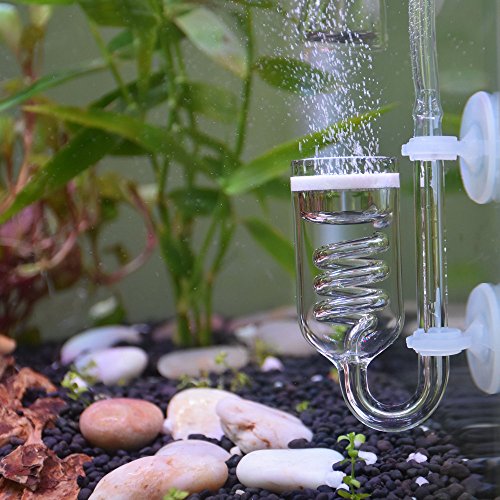
- Fine ceramic disc for slow-rising bubbles
- Clear glass blends into the aquascape
- Rated for 15-50 gallon pressurized tanks
Best For: Careful aquarists prioritizing a discreet glass diffuser
Large-Tank Pollen Glass

- Ceramic membrane for CO2 atomization
- Sized for about 50–75-gallon tanks
- U-shaped tube helps avoid flow blockage
Best For: Large planted aquariums needing a glass diffuser
Clear Acrylic Pawfly

- Replaceable ceramic disc produces fine bubbles
- Built-in bubble counter aids adjustment
- Anti-reverse device helps prevent backflow
Best For: Planted tanks needing easy bubble monitoring
Heavy-Duty Stainless Steel
Pawfly High-Pressure CO2 Diffuser
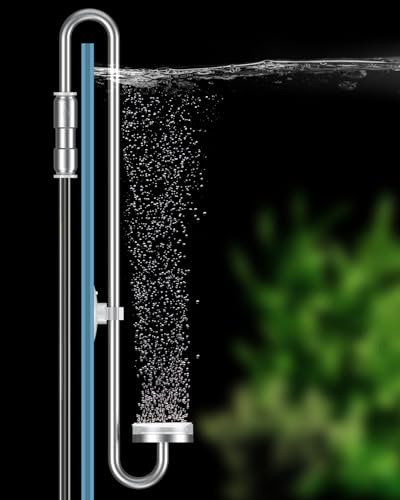
- 304 stainless steel construction
- Built-in check valve and push-fit connector
- Produces dense mist with suitable high pressure
Best For: Tall tanks with high-pressure CO2 systems
Fine-Mist Pick – Fzone Neo CO2 Diffuser
For planted aquariums and shrimp setups that need efficient gas distribution, the Fzone Neo is a practical aquarium CO2 diffuser for shrimp tanks. Its South Korean ceramic produces a very fine mist, while the clear acrylic body offers better durability than glass during routine maintenance.
Best For: Small planted tanks up to 13 gallons using 1–2 bubbles per second.
Pros:
- Microscopically small ceramic pores create fine, thorough CO2 diffusion.
- Clear acrylic construction is sturdy and less prone to breaking.
- Includes a suction cup for secure corner placement.
- Works with pressurized and DIY CO2 systems.
Cons:
- The S-13mm model is intended for smaller tanks.
- Requires at least 20 PSI, with more than 25 PSI recommended.
This is a strong choice when you prioritize fine bubbles and a durable, unobtrusive diffuser. Be sure to match the model and bubble rate to your aquarium size.
High-Pressure Choice – Stainless Steel CO2 Atomizer
This stainless steel atomizer is a specialized aquarium CO2 diffuser for shrimp tanks when you want very fine bubbles and a durable rimless-tank design. Its integrated check valve helps limit backflow, but it requires substantially higher pressure than many standard diffusers.
Best For: Small to medium or shallow tanks with a high-pressure CO2 system.
Pros:
- 304 stainless steel body is durable and rust resistant.
- Built-in check valve helps prevent backflow when gas shuts off.
- Removable ceramic disc can be cleaned or replaced.
- Atomized bubbles are designed for efficient CO2 absorption.
Cons:
- Needs at least 42 PSI and performs best at 50–70 PSI.
- The stainless steel body should not be soaked in algicide during cleaning.
Choose this model only if your regulator can meet its pressure requirements. For compatible systems, the replaceable disc and integrated check valve add useful long-term practicality.
Large-Tank Favorite – TWINSTAR Ultra Clear CO2 Diffuser
The TWINSTAR L-24mm is a practical aquarium CO2 diffuser for shrimp tanks and planted aquariums up to 120 gallons. Its acrylic body resists breakage, while the top-mounted membrane releases extremely fine bubbles from both its top and sides.
Best For: Larger freshwater planted aquariums needing broad, fine CO2 atomization.
Pros:
- Designed for freshwater aquariums up to 120 gallons.
- Ultra-clear acrylic is less prone to breaking than glass.
- Top-mounted membrane releases bubbles through its top and sides.
- Works with pressurized and DIY CO2 systems.
Cons:
- The L-24mm size may be excessive for small shrimp tanks.
- Requires a 10-minute soak before first use.
- Cleaning requires bleach soaking and thorough rinsing.
This diffuser suits aquarists who want broad membrane coverage and a break-resistant body. Properly soaking it before use and cleaning it when diffusion slows will help maintain performance.
Compact Glass Pick – Mini Glass CO2 Diffuser
Clscea Aquarium Glass CO2 Diffuser Atomizer with U Tube Check Valve Suction Cup Premium Version
Check Price On AmazonFor a small aquarium, this mini glass model is a straightforward aquarium CO2 diffuser for shrimp tanks using a pressurized CO2 system. It combines a transparent glass diffuser with a widened U-tube, check valve, suction cups, and a protective acrylic storage box.
Best For: Small tanks with glass-compatible mounting space and 4/6mm CO2 tubing.
Pros:
- Compact design is intended for small tanks.
- Premium ceramic produces fine, even bubbles.
- Widened U-tube fits tank walls under 1 inch thick.
- Includes a check valve, two suction cups, and protective storage box.
Cons:
- Glass requires more care during aquarium maintenance.
- The ceramic piece is non-removable and non-replaceable.
- Needs at least 14 PSI for optimal operation.
This is a convenient compact option when transparency and included mounting hardware matter. Its fixed ceramic and glass construction make it best suited to careful users with smaller pressurized systems.
Best Budget Nano-Bubble Pick – Acrylic CO2 Diffuser
For shoppers comparing aquarium co2 diffusers for shrimp tanks, this acrylic model offers a simple in-tank setup focused on producing small, dense bubbles. Its compact design and included suction cup make it practical for nano aquariums, home tanks, and aquaponic systems.
Best For: Budget-conscious aquarists who want a straightforward acrylic diffuser for smaller planted tanks.
Pros:
- Produces small, dense bubbles to help improve CO2 dissolution.
- Acrylic construction is durable, corrosion-resistant, and less fragile than glass.
- Includes a suction cup for secure, adjustable placement.
- Cleaning is simple: soak, lightly brush the surface, and air-dry.
Cons:
- Requires monthly cleaning to help prevent clogging.
- The supplied notes do not specify aquarium size or tubing compatibility.
This is a practical choice when low-profile installation and easy maintenance matter more than advanced plumbing. Confirm that its tubing connection suits your CO2 system before buying.
Best External Setup – FZONE Inline CO2 Diffuser
Among aquarium co2 diffusers for shrimp tanks, this FZONE inline model stands out for keeping the diffuser outside the aquarium. It connects to filter tubing and uses the outflow to distribute fine CO2 mist across the tank, helping reduce visible equipment inside the display.
Best For: Medium to large planted aquariums using compatible filter tubing and at least 30 psi working pressure.
Pros:
- External design saves interior tank space and reduces visual clutter.
- Creates fine bubbles smaller than 0.1 mm for efficient diffusion.
- Distributes CO2 through filter outflow to help limit dead spots.
- Aluminum alloy construction, replaceable ceramic diffuser, and tool-free push-fit connections.
Cons:
- Requires at least 30 psi working pressure.
- Compatibility depends on selecting the correct size: 1/2-inch, 5/8-inch, or 3/4-inch ID tubing.
- Its external plumbing setup may be more involved than an in-tank diffuser.
This is the most system-oriented option in the group, particularly for larger tanks where broad distribution and a clean aquascape are priorities. Verify tubing size, filter flow, and regulator pressure before installation.
Best Glass Display Design – 3 Spiro Glass CO2 Reactor
For aquarists seeking aquarium co2 diffusers for shrimp tanks with a discreet appearance, this glass reactor combines a transparent cylindrical body with a ceramic diffuser disc. It is designed for pressurized systems serving tanks from 15 to 50 gallons and uses standard 6 mm airline tubing.
Best For: Pressurized planted aquariums from 15 to 50 gallons where a clear, integrated look is important.
Pros:
- Fine ceramic pores produce slow-rising bubbles for CO2 diffusion.
- Transparent glass blends into the aquarium environment.
- Includes a suction cup for secure, adjustable installation.
- Compatible with standard 6 mm (1/4-inch) airline tubing.
Cons:
- Glass is fragile and may break during shipping or handling.
- Must be soaked for more than 48 hours before first use.
- The ceramic surface should not be brushed or wiped; special cleaner or replacement is recommended.
This diffuser suits careful aquarists who value appearance and measured bubble diffusion. Its soaking requirement and fragile glass construction make it less convenient than acrylic alternatives, but the stated tank range is useful for many medium-sized planted setups.
Large-Tank Pollen Glass – U-Shape CO2 Diffuser
For larger planted aquariums, this pollen glass diffuser provides fine CO2 atomization through a ceramic membrane. Its 2-inch size is designed for roughly 50–75-gallon tanks, making it a practical option among aquarium co2 diffusers for shrimp tanks when the aquarium also needs consistent plant support.
Best For: Larger planted tanks between approximately 50 and 75 gallons.
Pros:
- Ceramic membrane creates efficient CO2 atomization.
- Designed to support plant growth and health with a steady CO2 supply.
- U-shaped connecting tube helps avoid CO2-flow blockage.
- Includes two suction cups for mounting.
Cons:
- The 2-inch diffuser is oversized for smaller shrimp tanks.
- The supplied notes do not specify a built-in bubble counter or check valve.
This is a straightforward choice for a large planted aquarium where the glass diffuser format and included U-shaped tube fit your setup. Confirm the tank size before buying, since its design is aimed at substantially larger aquariums.
Clear Acrylic Pawfly – Bubble Counter CO2 Diffuser
This clear acrylic Pawfly diffuser combines a replaceable ceramic disc, bubble counter, suction cup, and anti-reverse protection. It is sized for planted tanks 11 to 47 inches long, offering a convenient feature set for shoppers comparing aquarium co2 diffusers for shrimp tanks.
Best For: Planted aquariums where visible bubble counting and backflow protection are priorities.
Pros:
- Creates fine, even bubbles after the ceramic disc is properly conditioned.
- Built-in bubble counter makes CO2 output easier to monitor.
- PC construction resists cracking, fading, and deformation better than glass according to the supplied product notes.
- Anti-reverse device helps prevent water backflow into CO2 equipment.
Cons:
- Requires a generator with at least 14 PSI working pressure.
- Needs a 24-hour soak before first use.
- Large bubbles may persist for the first 2–7 days while the disc conditions.
Its compact acrylic body and built-in bubble counter make this a practical, easy-to-monitor option. Check your generator pressure and allow time for the ceramic disc to begin producing the expected fine mist.
Heavy-Duty Stainless Steel – Pawfly High-Pressure CO2 Diffuser
This 9.8-inch stainless steel Pawfly diffuser is built for durability, with a replaceable ceramic disc, push-fit tubing connector, built-in check valve, and suction cups. It suits taller aquariums and is a robust choice among aquarium co2 diffusers for shrimp tanks, provided your CO2 system can meet its pressure requirement.
Best For: Aquariums at least 13.8 inches tall using a high-pressure CO2 generator.
Pros:
- 304 stainless steel resists bending, breakage, and corrosion.
- Improved ceramic disc produces an ultra-fine, dense mist after conditioning.
- John Guest push-fit connector accepts 3/16-inch ID CO2 tubing.
- Built-in check valve helps prevent back siphoning.
Cons:
- Requires at least 43 PSI, so it is not suitable for low-pressure DIY plastic-bottle generators.
- Its 9.8-inch length is unsuitable for shorter or shallow tanks.
- Requires a 24-hour soak, and fine bubbles may take several days to appear.
This model is best viewed as a durable, high-pressure diffuser rather than a flexible option for basic DIY systems. Verify both aquarium height and generator pressure before choosing it.
How We Picked the Best Aquarium Co2 Diffusers for Shrimp Tanks
We focused on the features that matter most in planted shrimp aquariums: bubble fineness, material quality, installation style, tubing compatibility, tank-size suitability, and maintenance. We also included several formats, from compact in-tank ceramic diffusers to inline models that keep equipment outside the display.
Because shrimp can be sensitive to sudden changes, we prioritized diffusers that support controlled, even CO2 distribution rather than simply producing the smallest-looking bubbles. A diffuser is only part of a safe system, so a reliable regulator, bubble counter, drop checker, timer, and surface agitation remain important.
Quick Comparison
| Diffuser type | Best for | Main advantage | Potential drawback |
|---|---|---|---|
| Glass ceramic | Display-focused planted tanks | Low visual profile and fine bubbles | More fragile and needs regular cleaning |
| Acrylic | Nano and beginner setups | Lightweight and durable | Can scratch or cloud over time |
| Stainless steel | Rimless or minimalist aquariums | Strong, clean appearance | Verify fittings and check-valve design |
| Inline | Canister-filter systems | Keeps the diffuser out of the tank | Requires compatible tubing and plumbing |
Key Buying Factors for Aquarium Co2 Diffusers for Shrimp Tanks
Bubble Size and Distribution
Fine bubbles generally dissolve more efficiently, but excessive flow can create unstable CO2 levels. Choose a diffuser that can be adjusted to produce a steady, moderate stream throughout the photoperiod.
Tank Size and Pressure
Check the manufacturer’s recommended aquarium volume and required operating pressure. Large tanks may need a higher-capacity diffuser, while nano tanks benefit from precise low-rate adjustment.
Materials and Visibility
Glass is discreet but breakable. Acrylic is more forgiving for everyday handling, while stainless steel is durable and visually restrained. Consider whether replacement ceramic discs are available before buying.
Installation and Maintenance
Confirm the tubing diameter, suction-cup arrangement, and whether a built-in check valve is included. Soak ceramic parts in appropriate aquarium-safe cleaning solution when bubbles become uneven, and inspect all connections for leaks.
Shrimp Safety
Diffusers do not regulate CO2 by themselves. Start with a low bubble rate, monitor shrimp behavior, and use a drop checker or other reliable measurement method. Avoid rapid increases and maintain adequate oxygen exchange, particularly at night.
Who Should Buy Which Aquarium Co2 Diffusers for Shrimp Tanks?
- Choose glass ceramic if appearance and fine bubble production are your priorities and you can handle careful cleaning.
- Choose acrylic for a budget-friendly, impact-resistant option in a nano or beginner shrimp aquarium.
- Choose stainless steel if you want a durable, minimalist diffuser for a rimless display tank.
- Choose an inline diffuser if you run a compatible canister filter and want to reduce equipment inside the aquarium.
- Choose a larger multi-disc design for a spacious planted tank that needs broader CO2 coverage.
Whichever style you select, prioritize controllability and compatibility over maximum bubble output. A properly sized diffuser paired with gradual adjustments is the safer, more reliable choice for shrimp.