A dependable aquarium lid helps keep fish inside the tank while limiting dust, debris, and curious pets from getting into the water. Mesh designs add ventilation and can be trimmed or configured for unusual tank sizes.
We compared these 10 mesh aquarium lids by sizing options, magnetic installation, material visibility, adjustability, and everyday practicality so you can choose a cover that fits your setup.
Best 10 Mesh Aquarium Lids Picks for 2026
Best for Large or Custom Tanks
13.8-Foot Magnetic Mesh Lid Kit

- Cut-to-fit design for straight or curved edges
- Includes long magnetic strips and mesh
- Suitable for openings under 13.8 feet around
Best For: Large tanks, reptile enclosures, and multi-tank projects
Best Ready-to-Trim Kit
39-by-19-Inch Magnetic Mesh Lid

- Trim the mesh for several common tank sizes
- 5 mm openings provide airflow and light transmission
- Supports top or side mounting
Best For: Common 10-, 20-, and 40-gallon aquariums
Best for Reef Light Transmission

- Clear polypropylene supports light transmission
- Large sheet can be cut for many tank sizes
- Useful for covers, dividers, and separators
Best For: Custom reef or freshwater screen builds
Best Compact DIY Option

- Includes 7.5 feet of magnetic and PVC strips
- Cut-to-fit mesh works with curved or straight edges
- Designed for openings under 7.5 feet around
Best For: Small-to-medium custom aquarium covers
DIY Clear Mesh Solution
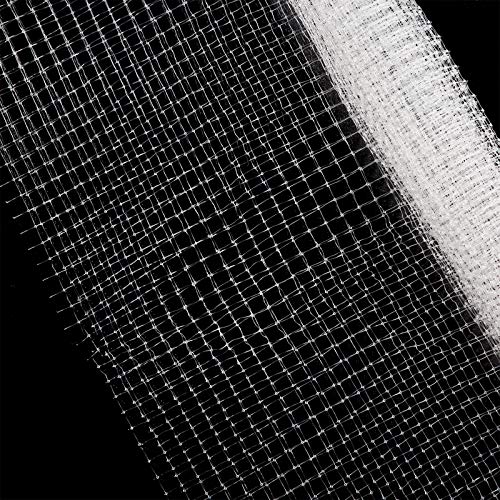
- Large cut-to-fit 6 x 7.2-foot sheet
- Clear, reusable nylon mesh
- Frame kit required
Best For: Custom DIY aquarium covers
Flexible Magnetic Protection
Nestbasics Magnetic Aquarium Mesh Lid

- Magnetic strips and corner buckles included
- Fits curved and unusual tank shapes
- Soft mesh helps protect jumping fish
Best For: Adjustable anti-jumping covers
Transparent Cut-to-Fit Cover

- Clear 1/4-inch mesh preserves light
- Cuttable 5.12 x 3.37-foot sheet
- Clips or frame sold separately
Best For: Bright, visible DIY aquarium covers
Most Adaptable
DIY Magnetic Mesh Aquarium Lid

- Fits irregular, rimless, curved, and bow-front tanks
- Cuttable tear-resistant mesh for custom sizing
- Magnetic access with equipment-friendly openings
Best For: Custom-shaped aquariums and DIY installations
Best Material-Only Option

- Large sheet can be cut for custom aquarium sizes
- Transparent 6-millimeter mesh supports light transmission
- Soft polypropylene can also serve as divider material
Best For: DIY covers and replacement aquarium netting
Best Magnetic Value
Cut-to-Fit Anti-Jumping Net Cover
- Includes magnetic strips, plastic strip, and corner buckles
- Cuttable for different sizes and some curved tanks
- Soft netting helps deter escapes without a hard barrier
Best For: Magnetic anti-jumping coverage for smaller or curved tanks
Best for Large or Custom Tanks – 13.8-Foot Magnetic Mesh Lid Kit
For oversized or unusual tank openings, this DIY option gives you plenty of material to build custom mesh aquarium lids. The magnetic strips can be cut to fit straight or curved edges, while the mesh helps deter fish and small pets from getting out.
Best For: Large aquariums, reptile tanks, or shoppers covering multiple openings with one kit.
Pros:
- Includes 13.8 feet of magnetic and PVC strip material.
- Includes a 5-by-6.5-foot mesh sheet that can be cut for multiple aquariums.
- Magnetic access makes feeding and routine care easier.
- Installation tutorials and mounting accessories are included.
Cons:
- Requires measuring, cutting, and installing the lid yourself.
- Designed for openings under 13.8 feet in circumference.
- The large kit may provide more material than a single small tank needs.
This is the most flexible choice in the group for very large or nonstandard setups, provided you are comfortable with a DIY installation and careful measuring.
Best Ready-to-Trim Kit – 39-by-19-Inch Magnetic Mesh Lid
This magnetic mesh aquarium lid offers a practical middle ground between a fixed cover and a fully custom screen build. Its 39-by-19-inch mesh can be trimmed for several common tank sizes, and the 5 mm openings allow airflow and light transmission.
Best For: Owners of many 10-, 20-, or 40-gallon tanks who want a trim-to-fit magnetic cover.
Pros:
- Mesh can be cut to fit multiple aquarium sizes.
- Includes magnetic and plastic strips plus installation accessories.
- Quiet magnetic opening and included lift handles support feeding access.
- Offers top- or side-mount installation options.
Cons:
- Requires measuring and trimming before installation.
- Top mounting requires a rim thicker than 6 mm.
- The listed mesh size may not suit larger or unusually shaped openings.
With two mounting methods and a moderate cut-to-fit sheet, this kit is a versatile pick for common aquarium sizes, especially when a standard glass lid is not convenient.
Best for Reef Light Transmission – Clear 4-by-5-Foot Mesh Sheet
If you need replacement material rather than a complete lid system, this clear polypropylene sheet is a straightforward starting point for custom mesh aquarium lids. Its quarter-inch openings are designed to transmit light while helping keep fish from jumping.
Best For: Reef and freshwater hobbyists building a frame-based cover, divider, or separator.
Pros:
- Clear mesh is specified for high light transmission.
- Large 4-by-5-foot sheet can be cut for many tank sizes.
- Quarter-inch openings help create a barrier without using sharp egg-crate edges.
- Compatible with a Prime-Line replacement window screen frame kit.
Cons:
- This listing includes mesh material only, not a complete lid or magnetic hardware.
- Requires a separate frame or installation method.
- Its 6.35 mm openings may not suit every livestock or enclosure need.
This is best viewed as a lightweight raw material for a custom screen project, not an out-of-the-box aquarium cover.
Best Compact DIY Option – 7.5-Foot Magnetic Mesh Lid
This shorter magnetic kit provides the core parts needed to make custom mesh aquarium lids without committing to the larger 13.8-foot set. The included mesh and strips can be cut for straight or curved aquarium and reptile-tank edges.
Best For: Small-to-medium tanks or hobbyists who need a customizable cover for openings under 7.5 feet around.
Pros:
- Includes 7.5 feet each of PVC, grooved magnetic, and adhesive-backed strips.
- Includes a 5-by-3.9-foot mesh sheet.
- Cut-to-fit design works with straight or curved edges.
- Magnetic access simplifies feeding and routine tank care.
Cons:
- DIY installation requires measuring and cutting.
- Limited to openings under 7.5 feet in circumference.
- Mesh and hardware are less extensive than the larger 13.8-foot kit.
Choose this version when its shorter strip length matches your tank; it offers the same general magnetic concept in a more compact package.
DIY Clear Mesh Solution – Shappy Aquarium Netting
For custom mesh aquarium lids, the Shappy clear nylon netting provides a large sheet you can cut to fit your tank. Its 8 mm openings allow light and air through while helping keep fish from jumping out, but a frame kit or other hardware is required.
Best For: Aquarium keepers who want flexible, cut-to-size netting for a DIY screen cover.
Pros:
- Large 6 x 7.2-foot sheet can be trimmed for different tank sizes.
- Clear, reusable nylon construction is lightweight and durable.
- 8 mm mesh allows light through and can accommodate reasonably sized food.
Cons:
- Frame kit and installation hardware are not included.
- Hand-cut sizing may vary, and the net can arrive creased.
This is a practical base material rather than a complete lid. Choose it when you are comfortable measuring, cutting, and pairing mesh with a compatible frame.
Flexible Magnetic Protection – Nestbasics Magnetic Aquarium Mesh Lid
Magnetic Aquarium Cover lid Fish Tank lid Anti-Jumping net Cover mesh lid Aquarium Hood
Check Price On AmazonThis magnetic option gives mesh aquarium lids a customizable installation system. It includes magnetic strips, a plastic strip, corner buckles, and a soft 4.92 x 3.28-foot net that can be cut for tanks with straight, curved, bow-front, or diamond-shaped openings.
Best For: Fish keepers seeking a fitted, adjustable anti-jumping cover for nonstandard aquarium shapes.
Pros:
- Magnetic strips provide an adjustable installation method.
- Included corner buckles and frame strips support setup.
- Soft mesh helps reduce the impact if a fish jumps against the cover.
- Small openings provide light transmission and ventilation while helping contain fish.
Cons:
- Installation requires cutting and fitting the supplied components.
- The net area is smaller than some large, standalone mesh sheets.
Among these mesh aquarium lids, this is the more complete choice for shoppers who want mounting components included. Its stated tank-opening limit is 13.12 feet around the perimeter.
Transparent Cut-to-Fit Cover – Clear Aquarium Mesh Netting
For mesh aquarium lids that preserve visibility and lamp light, this transparent polypropylene netting offers a 5.12 x 3.37-foot sheet that can be cut with scissors. The soft 1/4-inch mesh helps contain jumping fish, though clips or an aluminum frame must be purchased separately.
Best For: Aquariums where clear, soft, light-transmitting netting is a priority.
Pros:
- Transparent material helps avoid blocking aquarium lighting.
- 5.12 x 3.37-foot sheet can be trimmed to size.
- Soft polypropylene mesh is designed to be gentle if fish hit the cover.
- Sturdy, non-toxic material is intended for aquarium use.
Cons:
- Only the net is included; clips or a frame are needed for a finished lid.
- Creases may appear after shipping and may require low-heat ironing.
This netting suits a straightforward DIY build when transparency matters. Confirm your required dimensions and budget for mounting hardware before ordering.
Most Adaptable – DIY Magnetic Mesh Aquarium Lid
For unusual tank shapes, this mesh aquarium lid offers a flexible, cut-to-fit design for rimless, curved, bow-front, and custom aquariums up to 37 by 18 inches. Its magnetic opening provides convenient access while the mesh helps discourage jumping.
Best For: Custom-shaped aquariums and tanks requiring openings for filters, airline tubing, heaters, or lighting brackets.
Pros:
- Fits many irregular, rimless, curved, and bow-front aquarium shapes.
- Cuttable, tear-resistant mesh supports a customized fit.
- Magnetic strips and a built-in handle simplify feeding and maintenance.
- Allows airflow and light penetration while helping reduce fish escapes.
Cons:
- Requires measuring and DIY cutting or installation.
- Compatibility is listed for tanks up to 37 by 18 inches, with a stated tank volume of 29 gallons.
This is the most flexible option for aquarists who need a tailored cover rather than a standard rectangular lid. Plan the installation carefully around tank thickness and equipment placement.
Best Material-Only Option – Clear Cut-to-Fit Mesh Netting
This clear mesh aquarium lid material is a simple choice when you want to build or replace a tank cover yourself. The 3.3-by-5-foot sheet can be cut to size, and its 6-millimeter openings allow light to reach aquarium plants and coral.
Best For: DIY aquarium covers, replacement netting, dividers, and setups where visibility and light transmission matter.
Pros:
- Large 3.3-by-5-foot sheet can be customized for different aquarium sizes.
- Clear, transparent mesh preserves visibility and light penetration.
- Soft polypropylene construction provides a slightly flexible barrier.
- Can also be used as an aquarium divider or protective netting for other enclosures.
Cons:
- This is netting material rather than a complete framed or magnetic lid.
- It does not include a listed closure or mounting system.
Choose this option if you already have a way to secure the cover or prefer to create a custom frame. It offers useful flexibility, but the installation hardware and finished-lid design are up to you.
Best Magnetic Value – Cut-to-Fit Anti-Jumping Net Cover
This magnetic mesh aquarium lid is designed to help keep jumping fish inside while maintaining airflow and light transmission. The included magnetic strips, plastic strip, corner buckles, and cuttable netting make it suitable for aquarium openings with a perimeter below 6.56 feet, including some curved tanks.
Best For: Fishkeepers seeking a magnetic anti-jumping cover with included installation components.
Pros:
- Includes adhesive-backed and grooved magnetic strips plus mounting accessories.
- Cuttable mesh can be adapted to different tank sizes and curved aquariums.
- Soft polypropylene netting is designed to be gentler than a hard glass lid if fish jump.
- Small mesh openings help deter fish from escaping while allowing fresh air.
Cons:
- Limited to aquarium openings with a perimeter below 6.56 feet.
- Installation requires measuring, cutting, and assembling the supplied components.
This set is a practical fit for tanks within its perimeter limit when you want magnetic access and a softer alternative to rigid glass. Confirm the opening dimensions before installation.
How We Picked the Best Mesh Aquarium Lids
We focused on the features that matter most when covering an aquarium: stated dimensions, mesh construction, attachment method, clarity, adjustability, and suitability for different tank layouts. The selection includes magnetic covers, clear netting sold by the roll or sheet, and DIY options that can be cut to fit. Because aquarium rims, filters, lights, and tubing vary, verify the listed measurements and account for any equipment that must pass through the lid before ordering.
Quick Comparison
Magnetic mesh lids are generally the simplest choice for tanks with compatible rims because they can be placed, removed, and repositioned without permanent hardware. Larger DIY netting products offer more flexibility for custom or multi-tank installations, but they may require trimming and a separate frame or fastening method. Clear plastic mesh can preserve visibility while allowing airflow, whereas darker netting may be less noticeable against a room or cabinet background.
| Type | Best for | Main advantage | Watch for |
|---|---|---|---|
| Magnetic fitted lid | Standard rectangular tanks | Quick installation and access | Confirm tank dimensions and rim compatibility |
| DIY mesh sheet or roll | Large, irregular, or custom setups | Can be cut to size | May need a frame, trim, or clips |
| Clear mesh cover | Visibility-focused displays | Less visual obstruction | Check plastic flexibility and edge finishing |
Key Buying Factors for Mesh Aquarium Lids
Measure the Tank Carefully
Measure the outside length and width of the rim, not just the water surface. Allow room for the lid to rest securely without interfering with lights, hang-on-back filters, air lines, or feeding accessories. A cover that is too small can leave escape gaps, while an oversized sheet may sag or shift.
Check the Mesh and Edge Design
Look for openings that provide ventilation without allowing the fish or other aquatic animals to jump through. Smooth, finished edges are preferable to loose strands that can snag equipment or deteriorate with repeated handling. For DIY netting, plan how the cut edges will be secured.
Consider Access and Installation
Magnetic systems are convenient for feeding and maintenance, but magnets must align with the tank rim and remain strong enough to prevent movement. A cut-to-fit cover gives more control around equipment, though installation takes more effort.
Match the Cover to Your Livestock
Active jumpers need a stable, gap-free lid. If the aquarium houses reptiles, amphibians, or other animals, confirm that the mesh strength and fastening method are appropriate for their behavior. Never rely on a loose sheet where an animal could push underneath it.
Who Should Buy Which Mesh Aquarium Lids?
Choose a magnetic fitted lid if you want the fastest setup for a conventional rectangular aquarium and frequently remove the cover for feeding or cleaning. Choose a larger DIY sheet or roll if you need to cover an unusually sized tank, several connected sections, or a layout crowded with filters and lighting. A clear mesh option is best when maintaining an unobstructed view is a priority. Before checkout, compare the product’s actual dimensions with your tank, inspect the attachment method, and leave no openings large enough for fish to escape.